Brussels is often dismissed as a city of fries and bureaucrats. The real challenge isn't finding a meal. It's navigating the tension between old-world French tradition and a new, restless generation of chefs. You cannot just walk into a neighborhood bistro at 8:00 PM and expect a table. Reservations here are a religion. The city’s best dining hides behind unassuming brick facades.
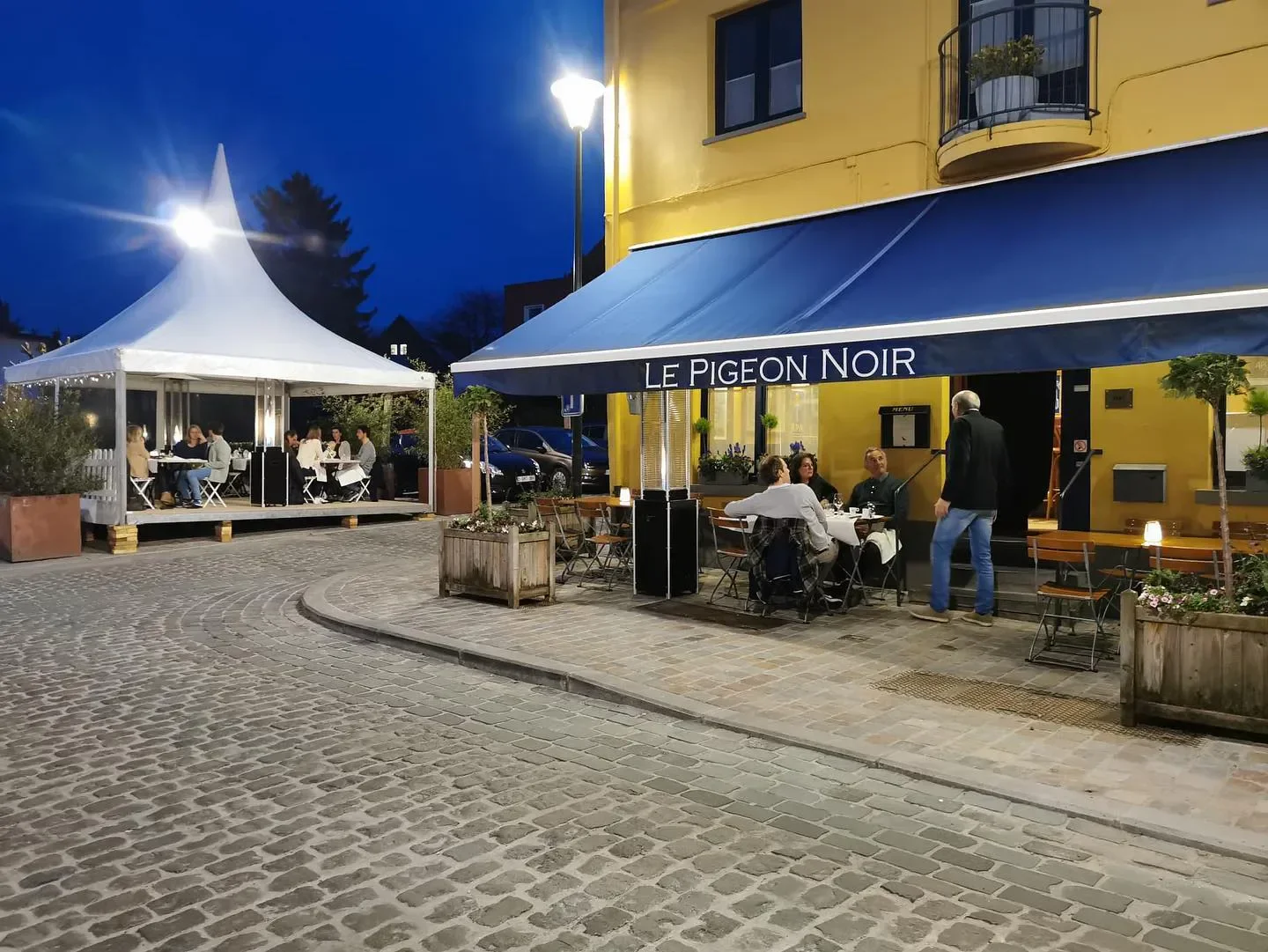
The culinary landscape has moved beyond the starched linens of the Grand Place. At Barge, the kitchen strips away the fluff to focus on hyper-seasonal Flemish soil. Meanwhile, La Canne en Ville proves that Michelin-starred dining can feel intimate rather than stiff. Christophe Hardiquest has reinvented the old Bon Bon space into Menssa, focusing on the raw elements of nature. Just outside the city, Brasserie Julie keeps the classics alive without falling into a time warp. The best meals happen when you trade the tourist traps for the quiet corners of Ixelles or Dilbeek.
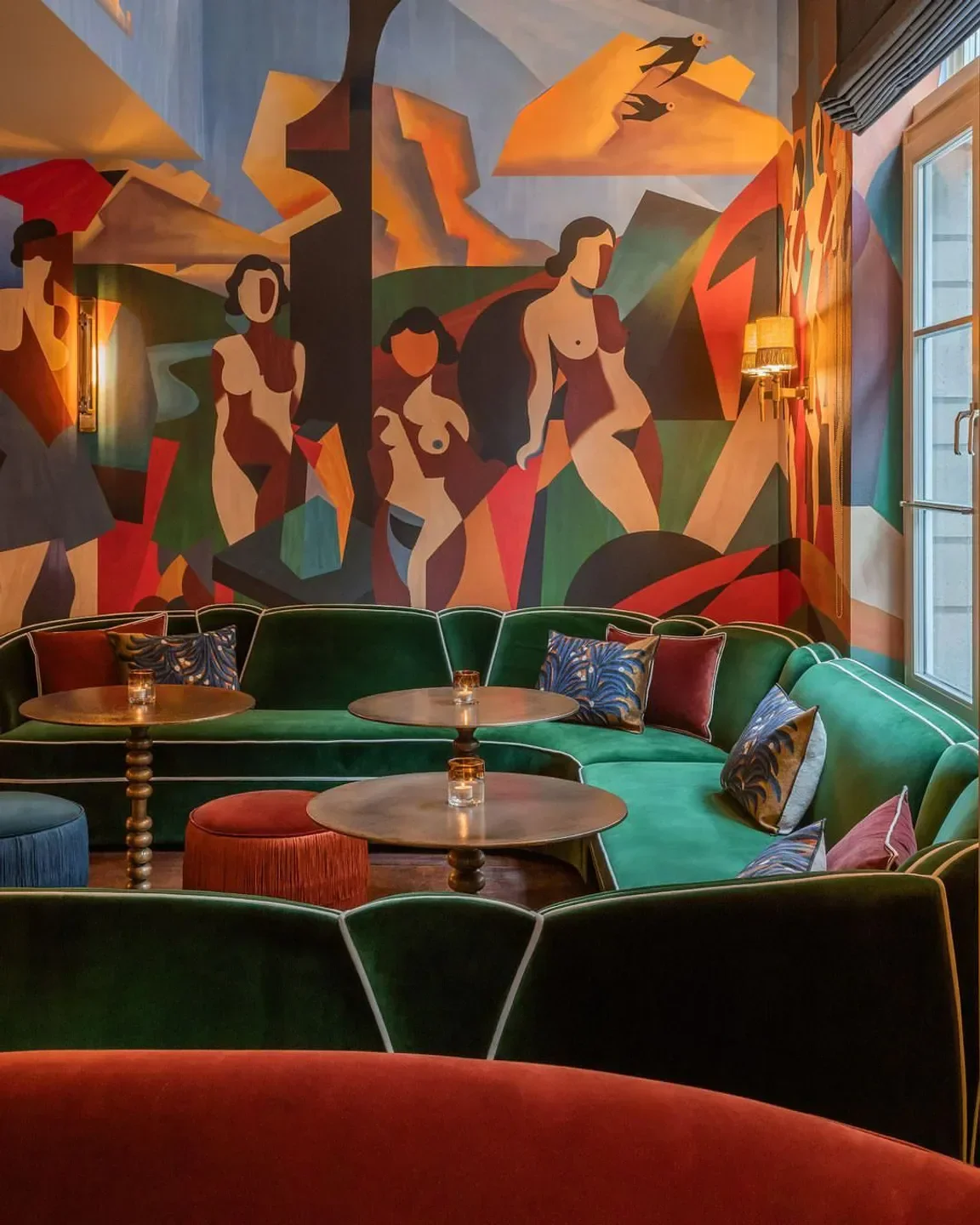
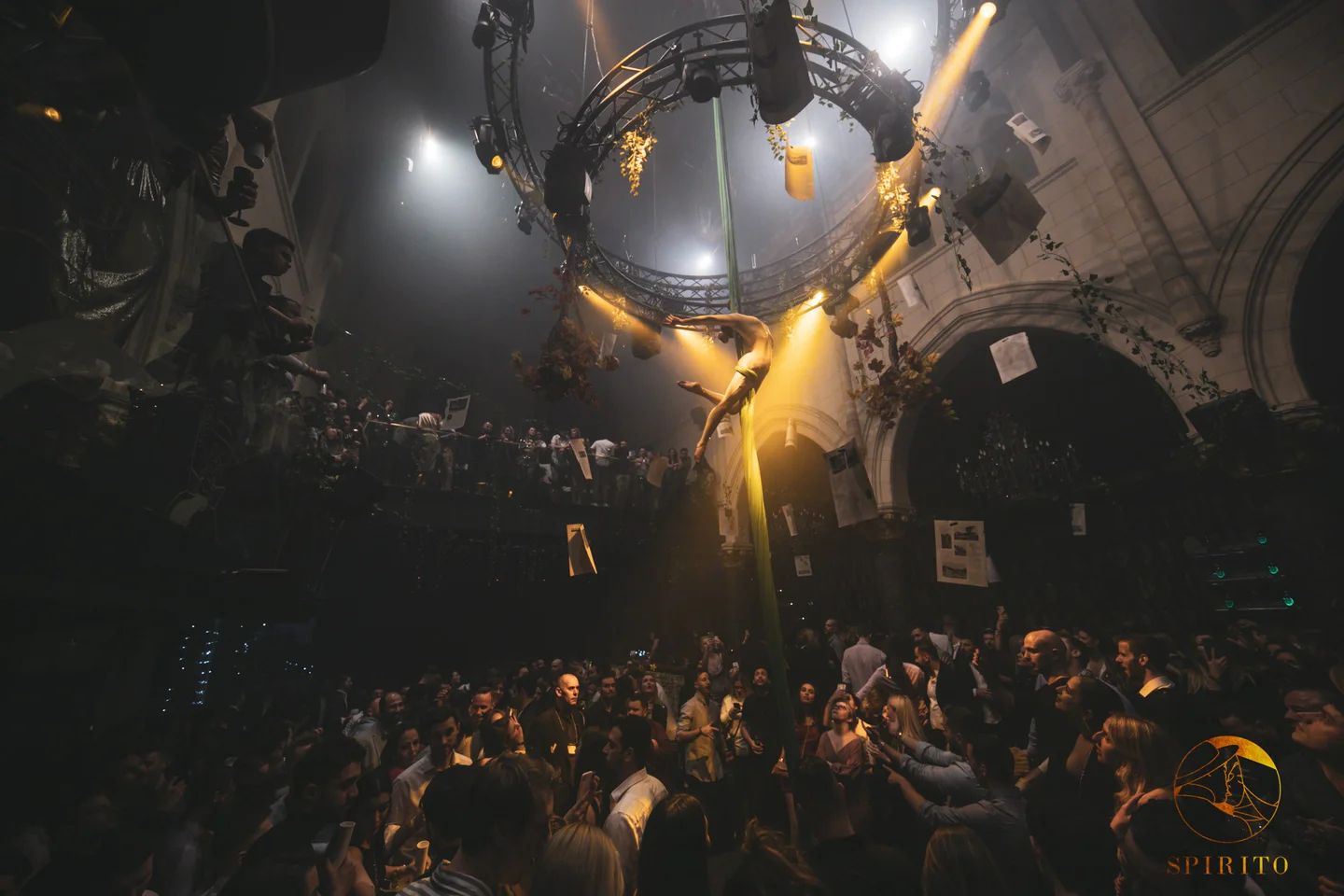
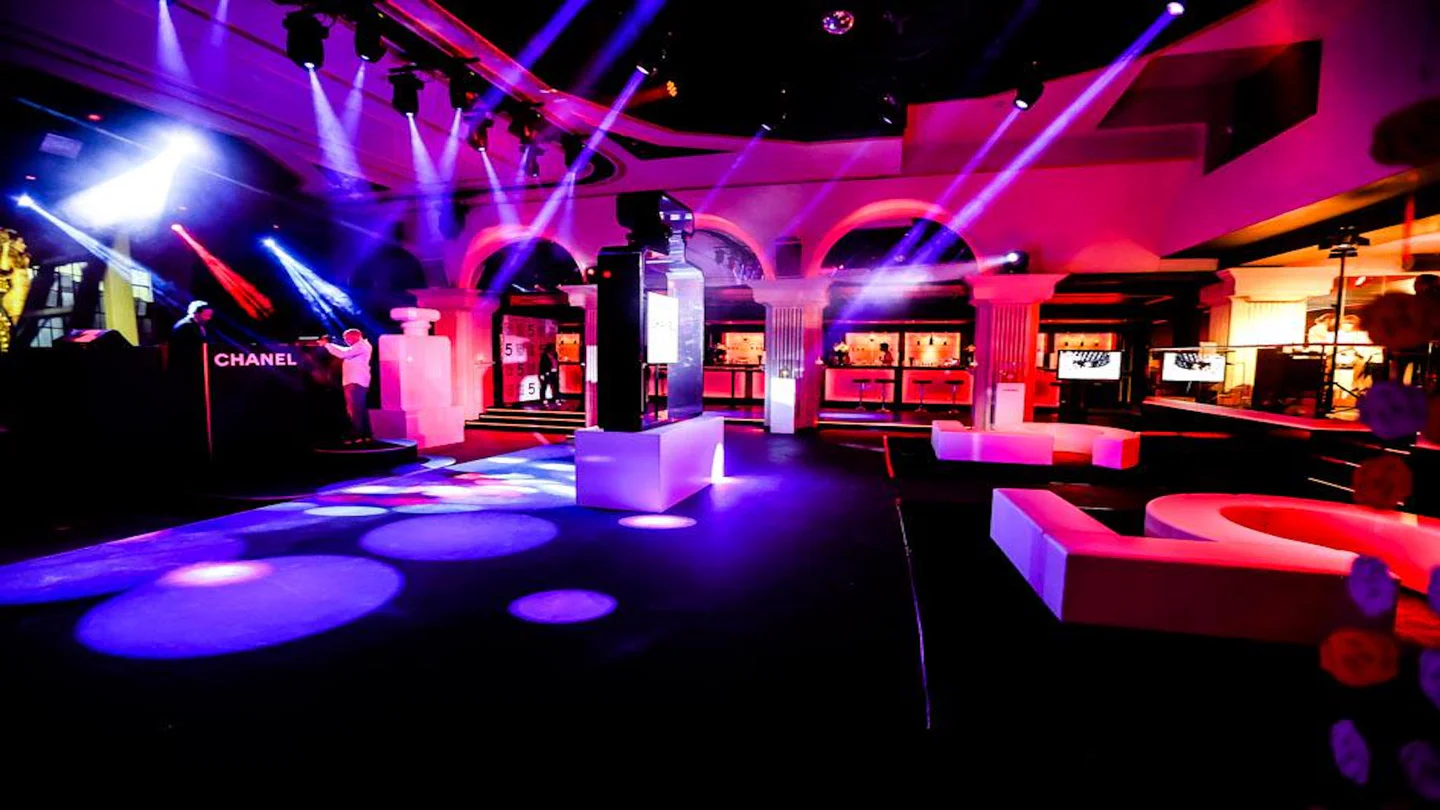
Brussels is finally letting its hair down. These four spots prove it.
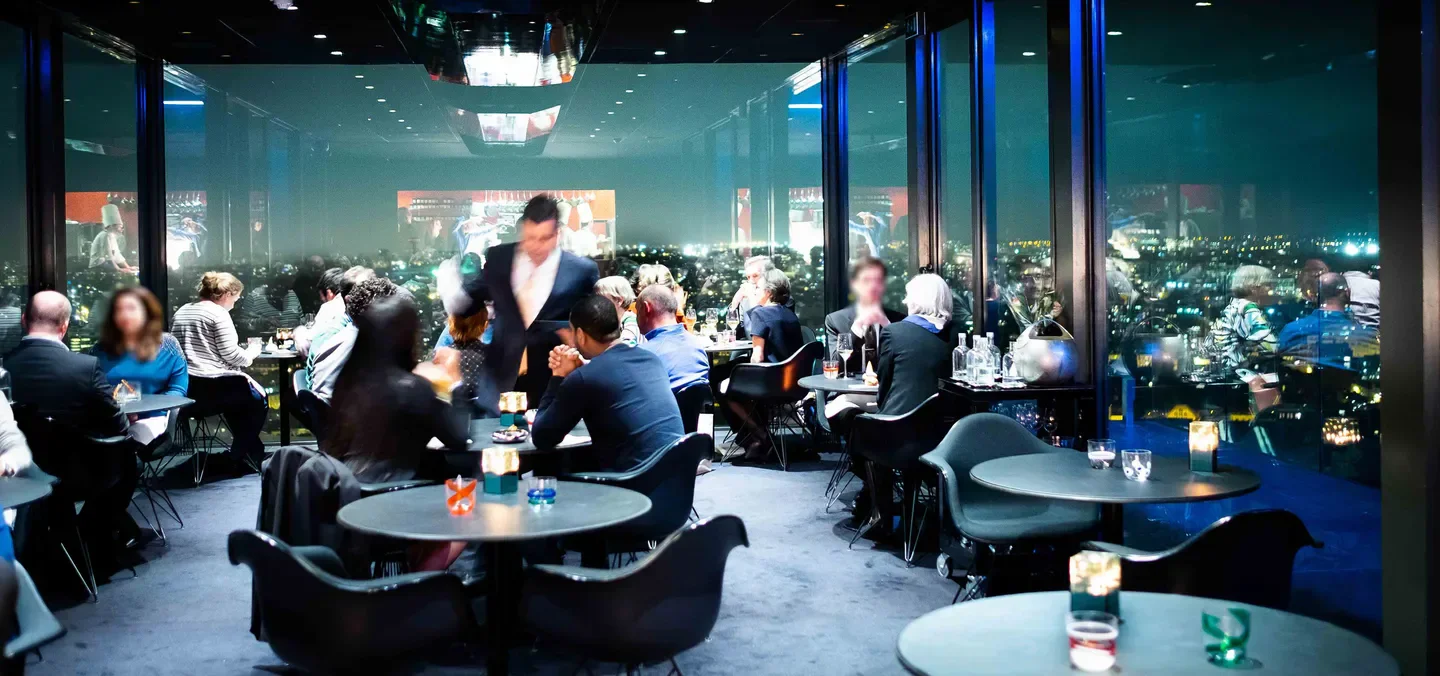
© Photo Credits: La Villa in the Sky
01.La Villa in the Sky
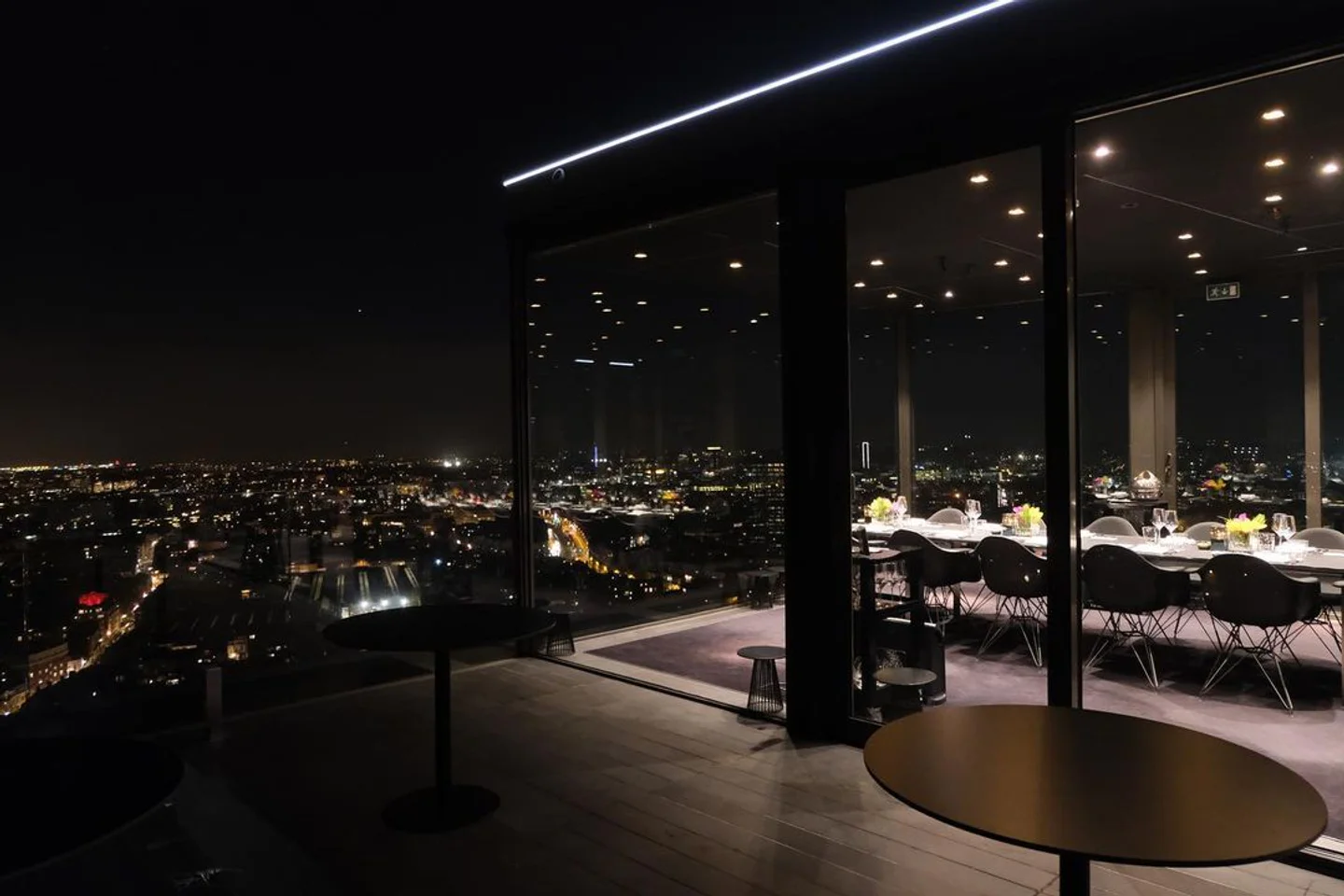
What is it? La Villa in the Sky hangs above the Brussels skyline, a testament to high-altitude fine dining. The lift doors slide open to reveal a clinical, glass-walled space where the city grid stretches out hundreds of feet below.
Why we love it: The Michelin-starred kitchen pivots between classic French technique and creative experimentation. You watch the chefs work in real-time, plating delicate sauces against the backdrop of the shifting Brussels horizon.
Good to Know: The kitchen at La Villa in the Sky emphasizes French precision, so opt for the multi-course tasting menu to see how they evolve traditional techniques into creative modern plates.
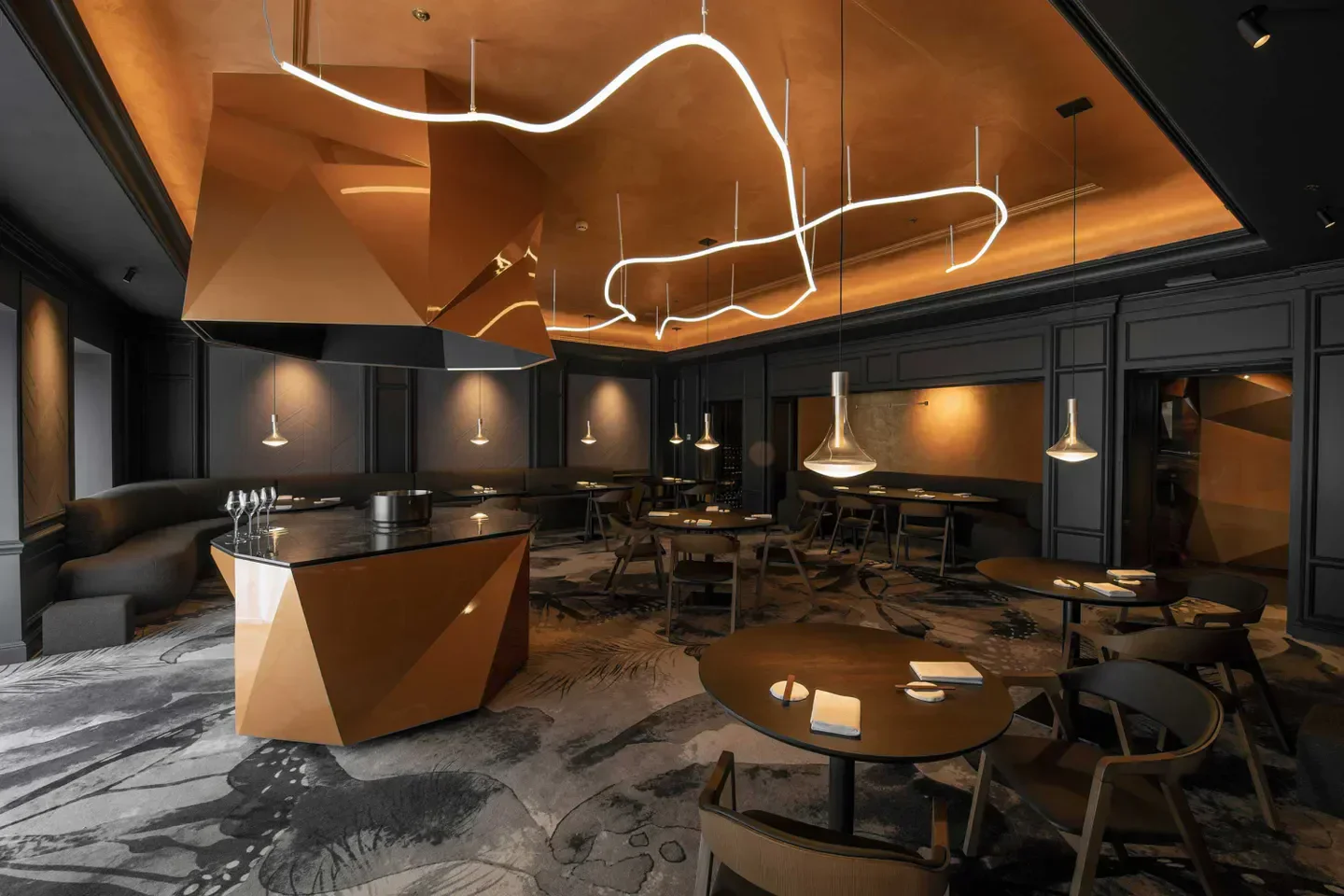
© Photo Credits: La Canne en Ville
02.La Canne en Ville
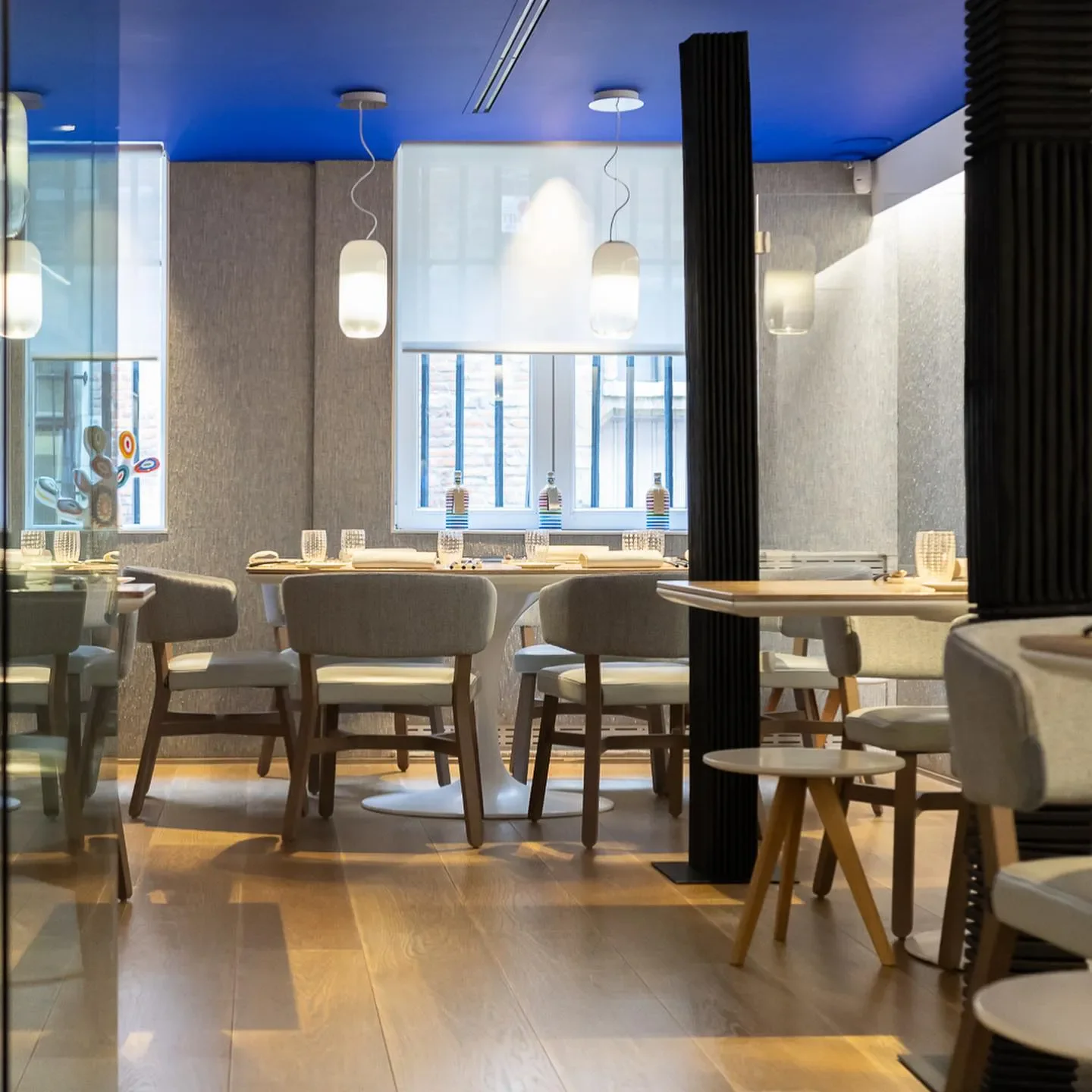
What is it? La Canne en Ville sits in the heart of Brussels, delivering a masterclass in fine dining. You cross the threshold and immediately notice the polished restraint of the space, where the atmosphere leans into a quiet, romantic intimacy.
Why we love it: The kitchen bridges the gap between classic French foundations and contemporary flair with technical precision. It remains a destination for those who appreciate a meal served in a beautiful setting, whether you opt for the dining room or the terrace.
Good to Know: La Canne en Ville prioritizes a smart and elegant aesthetic, so leave the sneakers behind and lean into a tailored blazer for dinner.
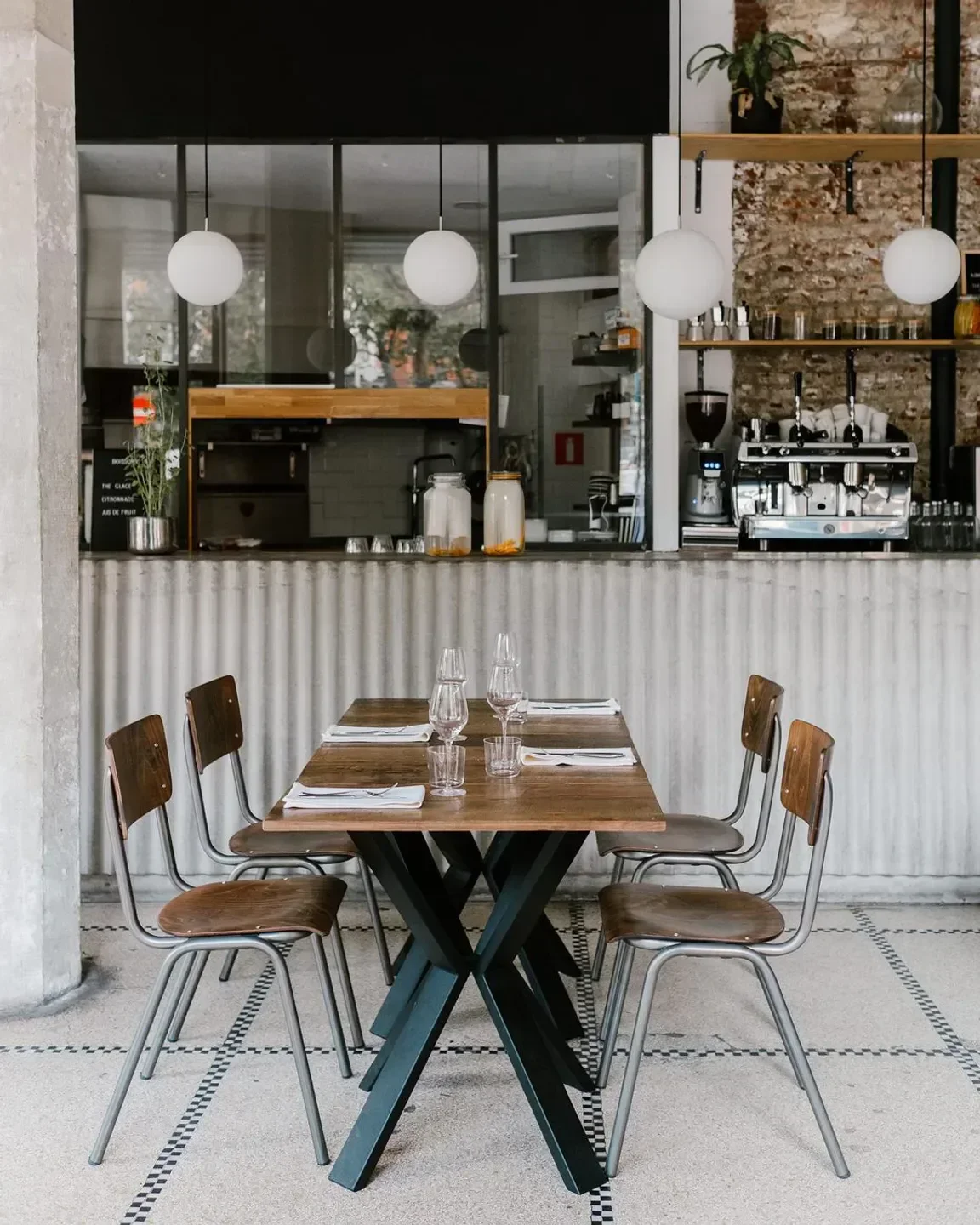
© Photo Credits: Barge
03.Barge
What is it? Barge brings a sharp, modern pulse to the Brussels dining scene. You walk into an intentional space where the scent of the kitchen meets a focused energy. It is a restaurant that removes the clutter to focus on the craft.
Why we love it: The experience feels like a well-kept secret shared among locals who value precision. You watch the staff navigate the room with a quiet confidence. The atmosphere peaks as the room fills with the sound of uncorked bottles and a steady, growing murmur.
Good to Know: The wine list at Barge favors unexpected producers, so let the team suggest a bottle that challenges your palate.
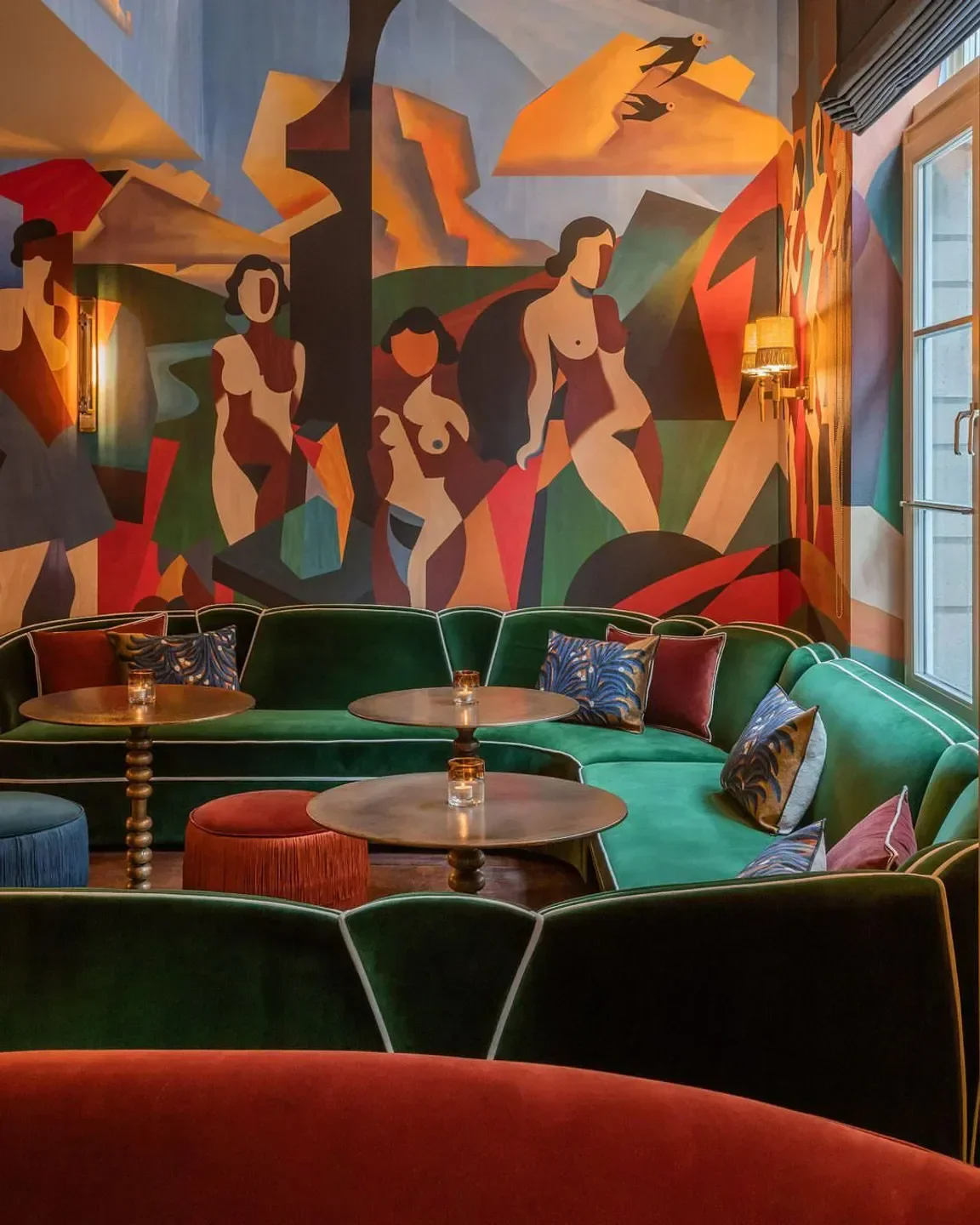
© Photo Credits: Bar Magritte
04.Bar Magritte
What is it? Bar Magritte operates as a sleek, intentional restaurant in the heart of Brussels. The room immediately signals a departure from the city’s busy streets, offering a sharp and composed environment. It functions as a polished hideaway where the city's artistic history meets a modern dining pace.
Why we love it: The atmosphere hums with a steady, low-frequency buzz that makes a weeknight dinner feel like an event. Staff navigate the floor with precision, ensuring the rhythm of the meal never breaks. You come here when the goal is a night of sharp conversation in a space that respects the art of the table.
Good to Know: The kitchen at Bar Magritte specializes in deep, savory profiles, so request a sharp drink pairing to balance the richness of the main courses.
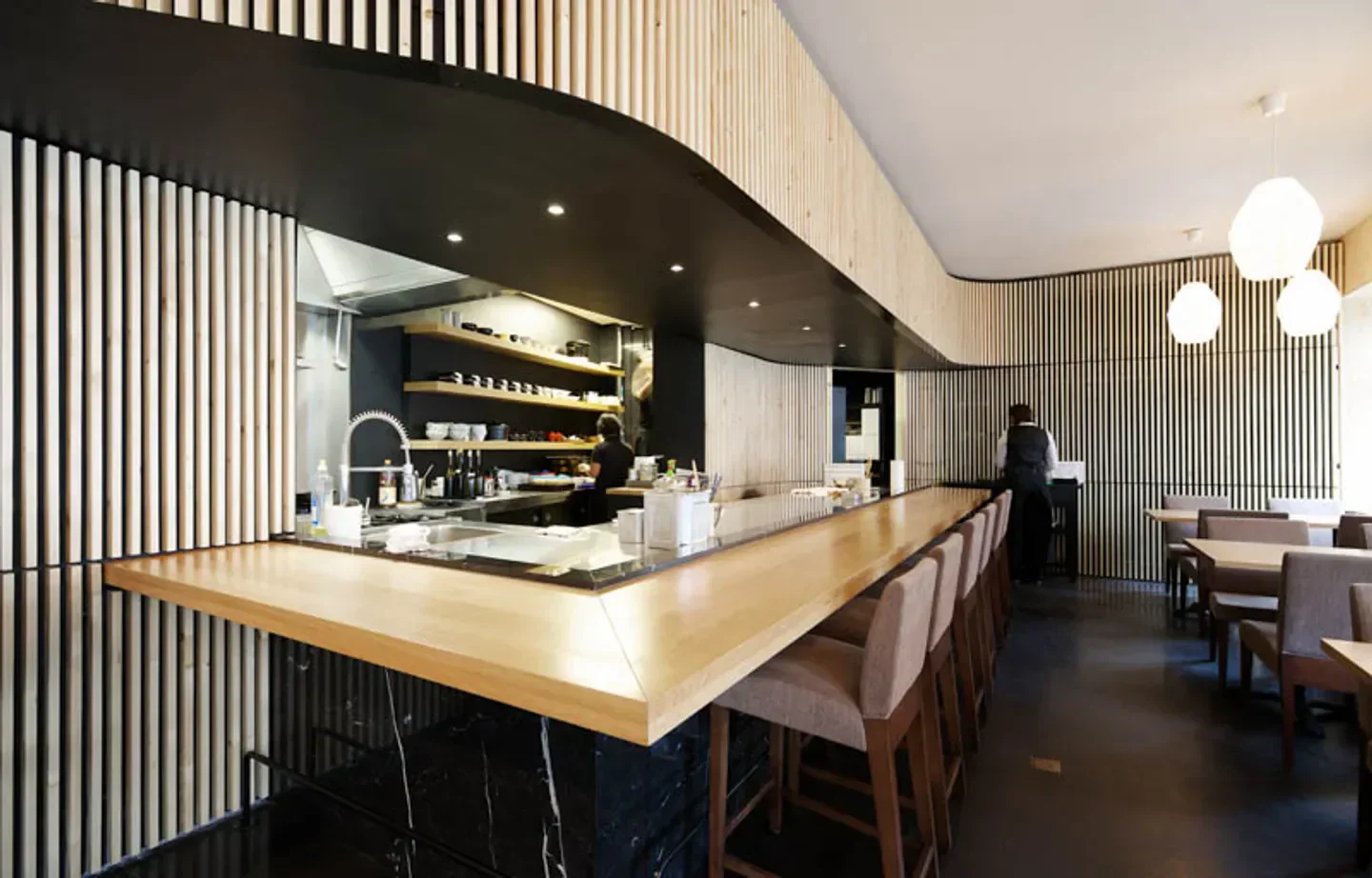
© Photo Credits: Kamo
05.Kamo
What is it? Kamo functions with a quiet, disciplined energy that sets it apart from the busier corners of Brussels. The restaurant prioritizes a focused atmosphere where the technical craft of the kitchen takes center stage.
Why we love it: The service moves with a rhythmic, intentional pace that allows the meal to breathe. It is the kind of place where the staff's precision matches the quality of the work coming out of the kitchen, creating a seamless dining experience.
Good to Know: The tasting sequence at Kamo is built on subtle transitions, so clear your schedule for at least two hours to experience the full arc of the meal.
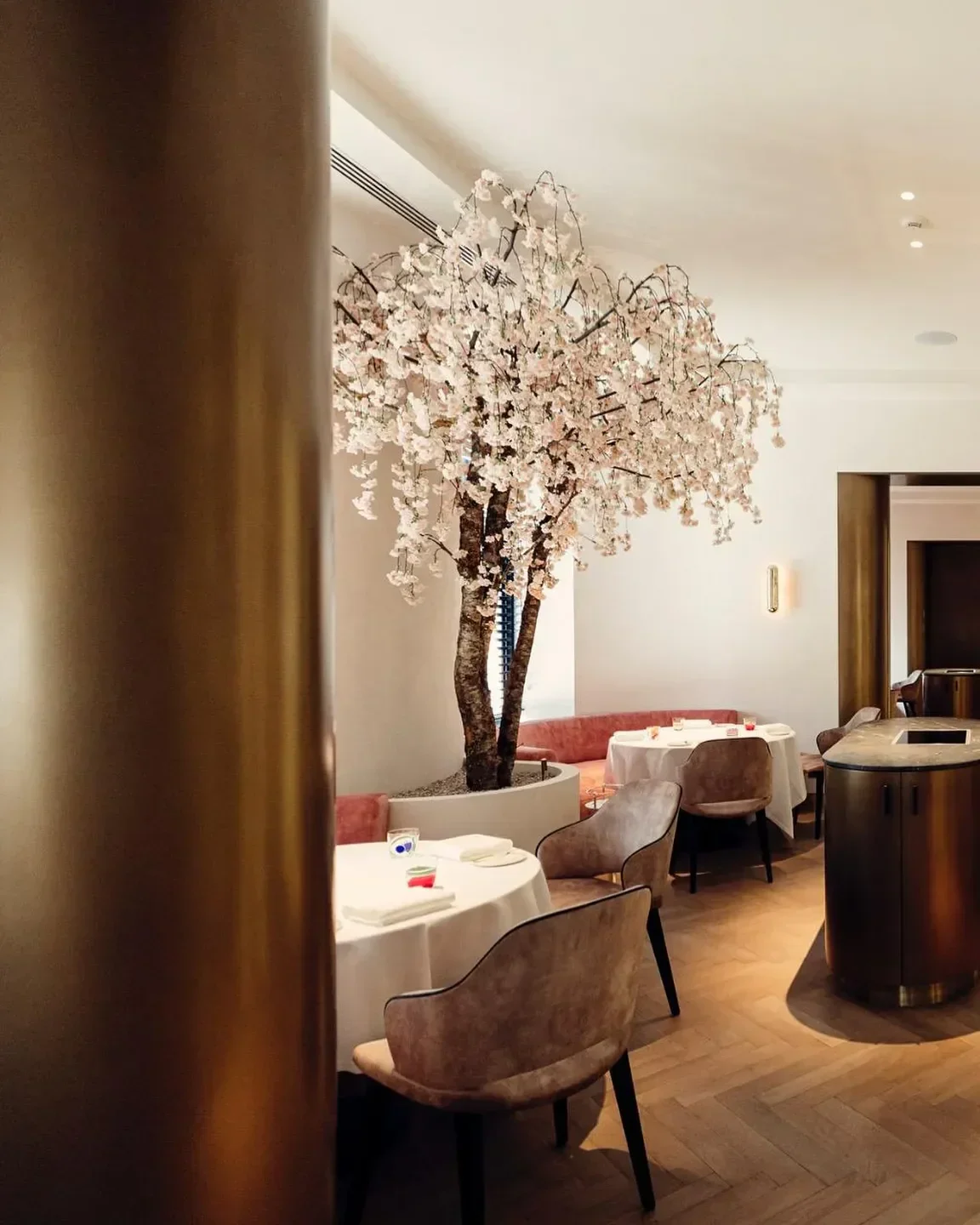
© Photo Credits: La Villa Lorraine by Yves Mattagne
06.La Villa Lorraine by Yves Mattagne
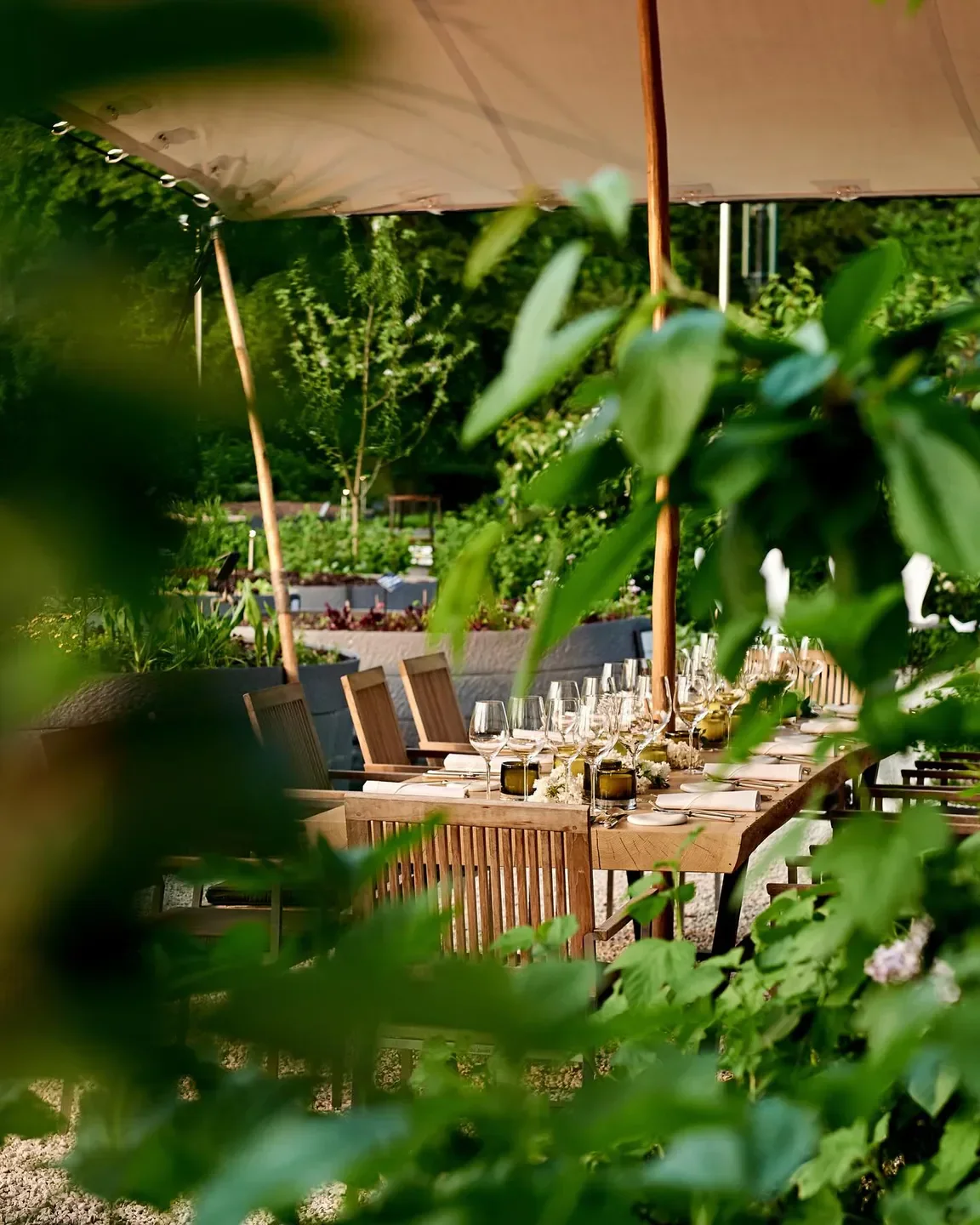
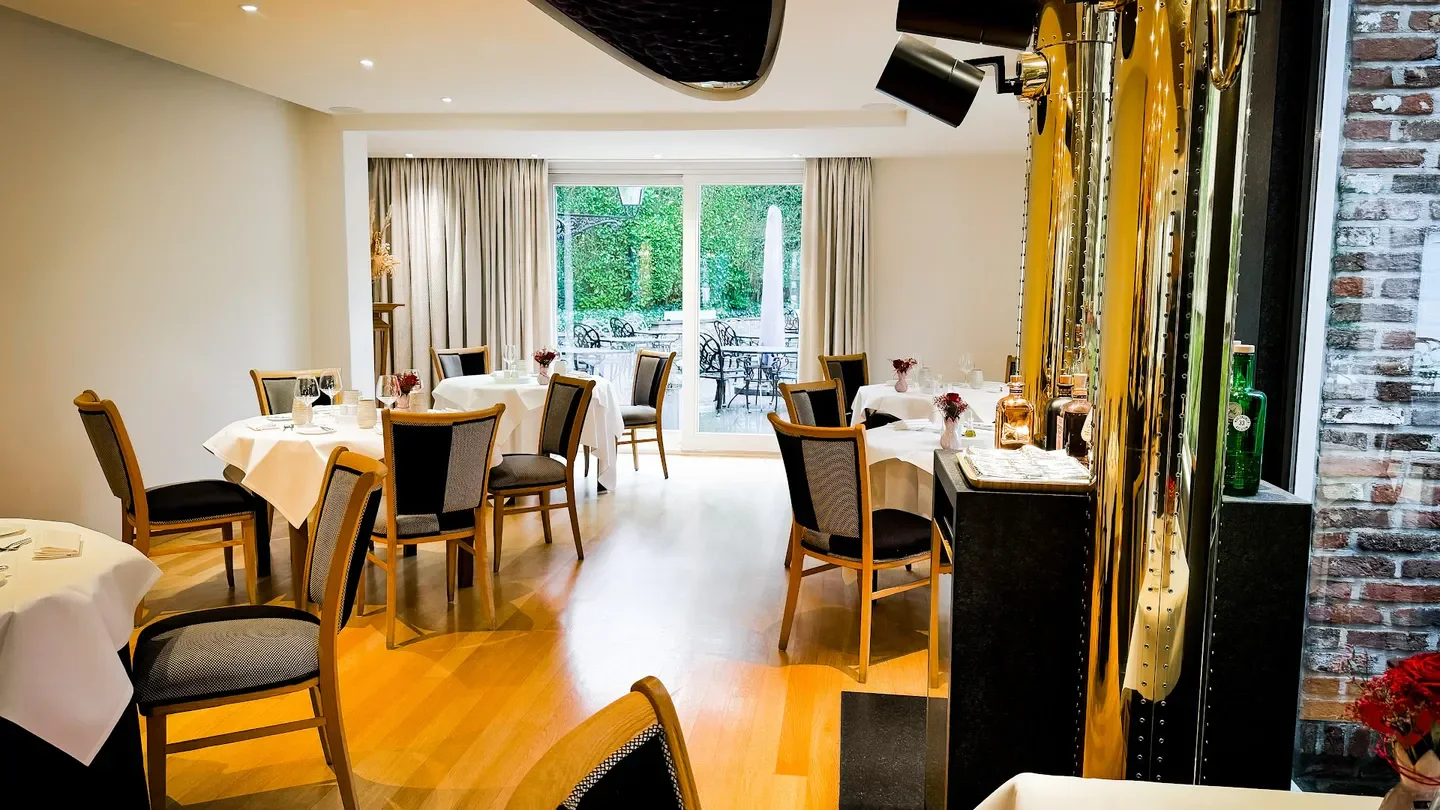
What is it? La Villa Lorraine by Yves Mattagne stands as a landmark of fine dining in Brussels. As you step inside, the silence of the luxury space commands your attention. The architecture frames the outdoors, bringing the lush, green views of the surroundings directly into the dining room.
Why we love it: The kitchen balances classic French foundations with contemporary precision, earning its reputation as a Michelin Star destination. You watch the servers move with rhythmic efficiency across the floor. During the warmer months, the terrace invites you to dine while the light fades over the gardens.
Good to Know: The kitchen at La Villa Lorraine by Yves Mattagne highlights the technical rigor of French cuisine, so lean into the wine pairings curated specifically to cut through the richness of their contemporary sauces.
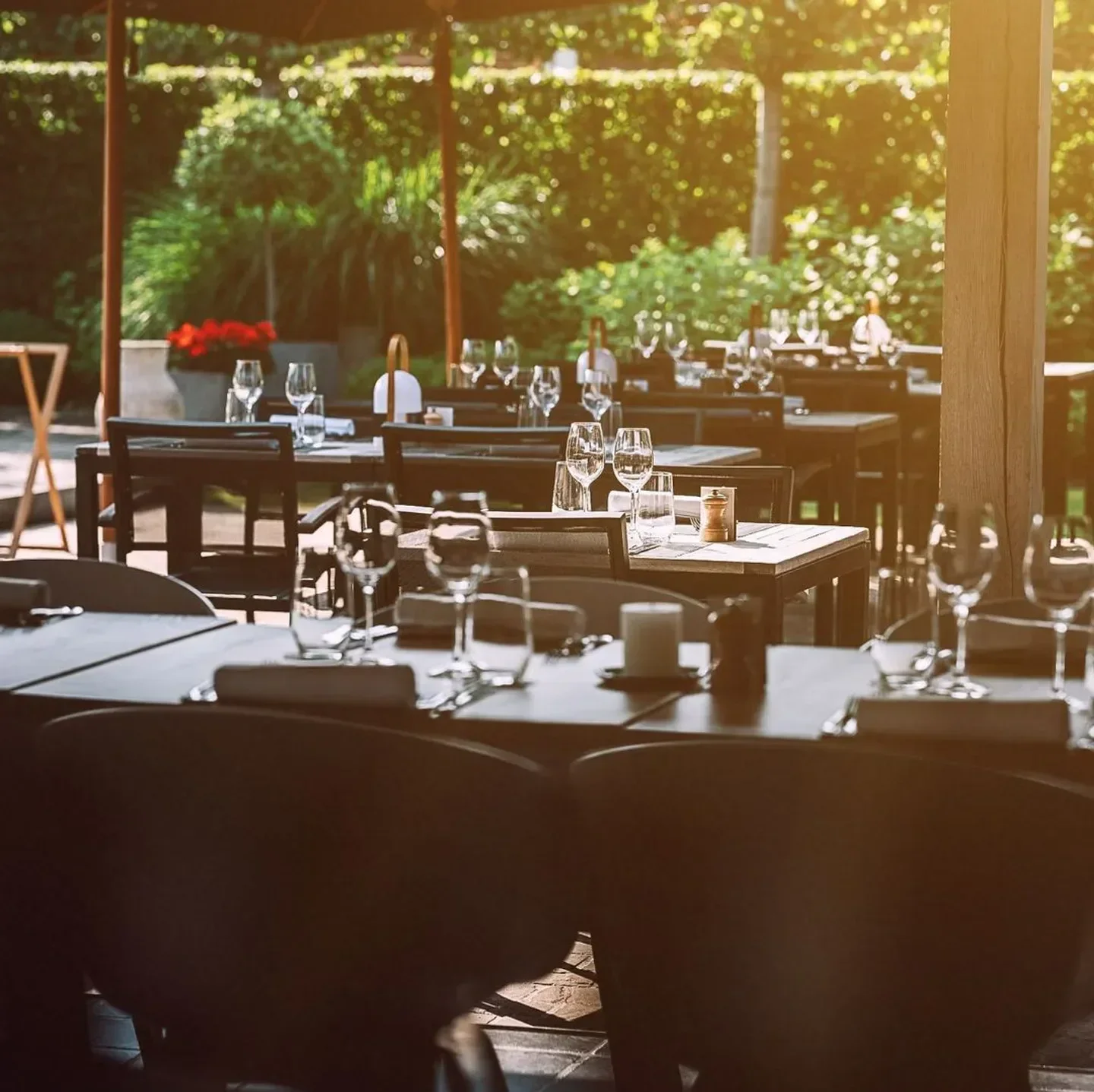
© Photo Credits: Brasserie Julie
07.Brasserie Julie
What is it? Brasserie Julie is a sharp, professional restaurant that anchors its corner of Brussels with poise. It trades heavy, traditional decor for a cleaner, more modern sensibility. The room hums with a steady efficiency.
Why we love it: The energy here strikes a rare balance. Groups fill the tables with steady conversation while the staff navigates the floor with quiet, practiced speed. It is a place where the meal feels like a deliberate event, but the atmosphere stays relaxed enough to let you linger.
Good to Know: The menu at Brasserie Julie prizes technical precision, making it a reliable choice for a dinner where the quality of the cooking needs to do the heavy lifting.
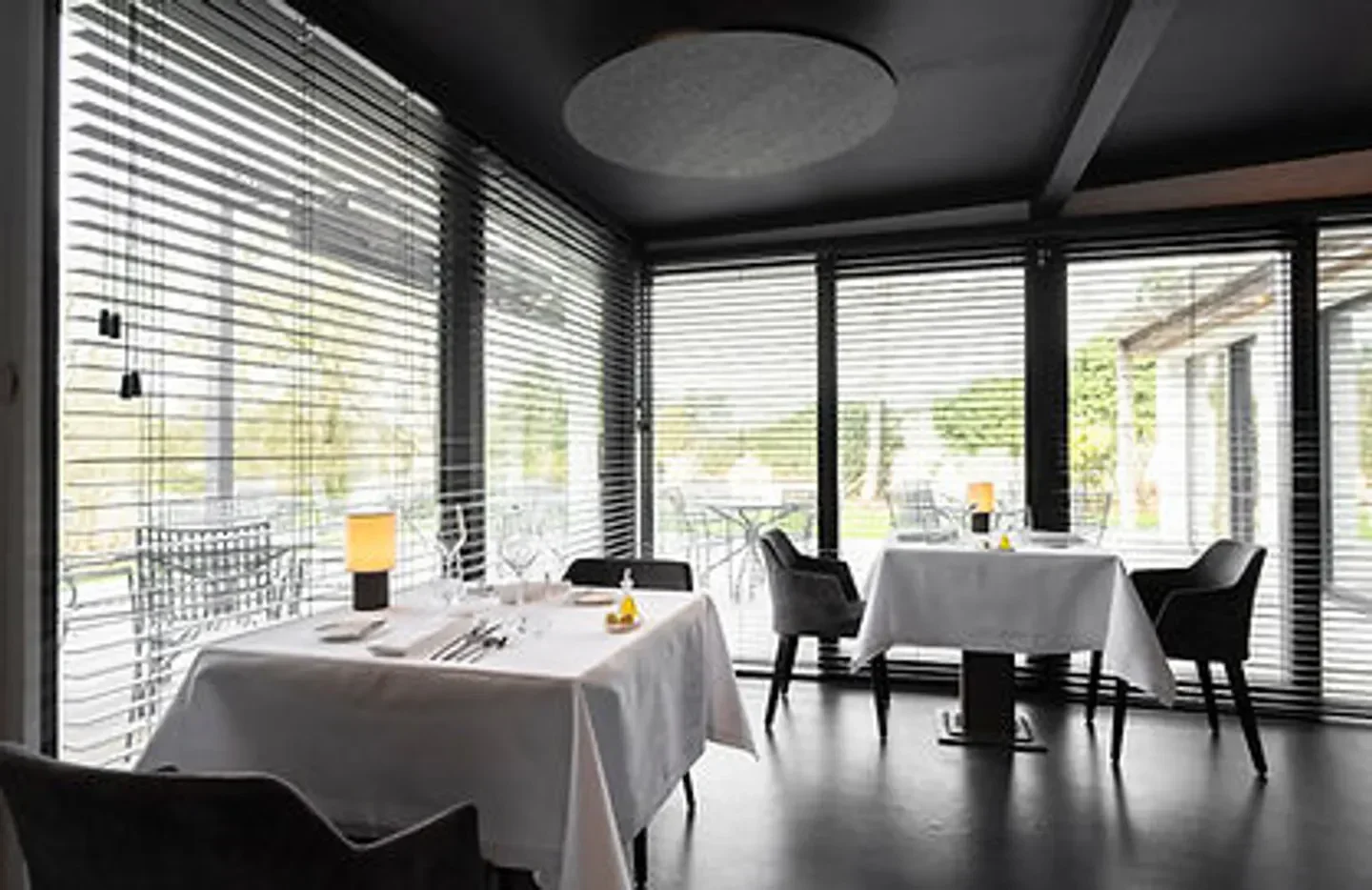
© Photo Credits: La Table Benjamin Laborie
08.La Table Benjamin Laborie
What is it? La Table Benjamin Laborie brings a sharp, chef-led focus to the Brussels dining landscape. The room feels hushed and purposeful, acting as a polished stage for Laborie’s specific culinary vision. It is where the city’s serious diners gather for a composed, high-level experience.
Why we love it: Waiters glide between tables with a quiet, synchronized intent. You feel the kitchen’s intensity through the steady, rhythmic flow of the service. It is a destination that trades loud flourishes for professional precision and technical control.
Good to Know: A meal at La Table Benjamin Laborie is a deliberate progression; set aside several hours to follow the kitchen’s specific narrative pace.
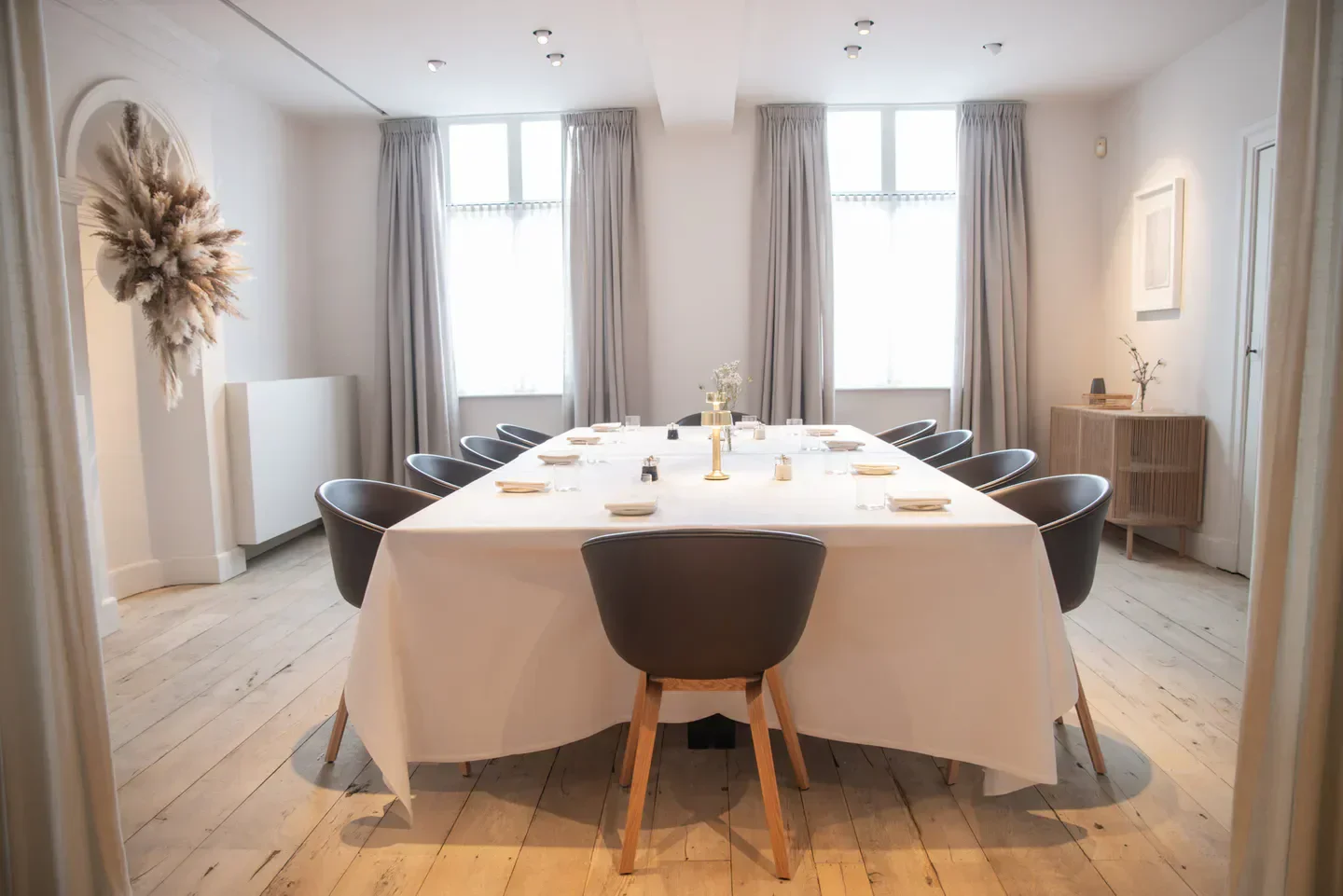
© Photo Credits: Sir Kwinten
09.Sir Kwinten
What is it? Sir Kwinten is a polished restaurant in Brussels. The room feels sharp and intentional. You notice the steady rhythm of a professional team the moment you walk through the door.
Why we love it: The staff moves with practiced ease and quiet confidence, anticipating your needs before you ask. Every detail in the room works toward a sense of focused calm and technical precision.
Good to Know: The wine program at Sir Kwinten relies on deep cellar knowledge, making the sommelier’s pairings essential.
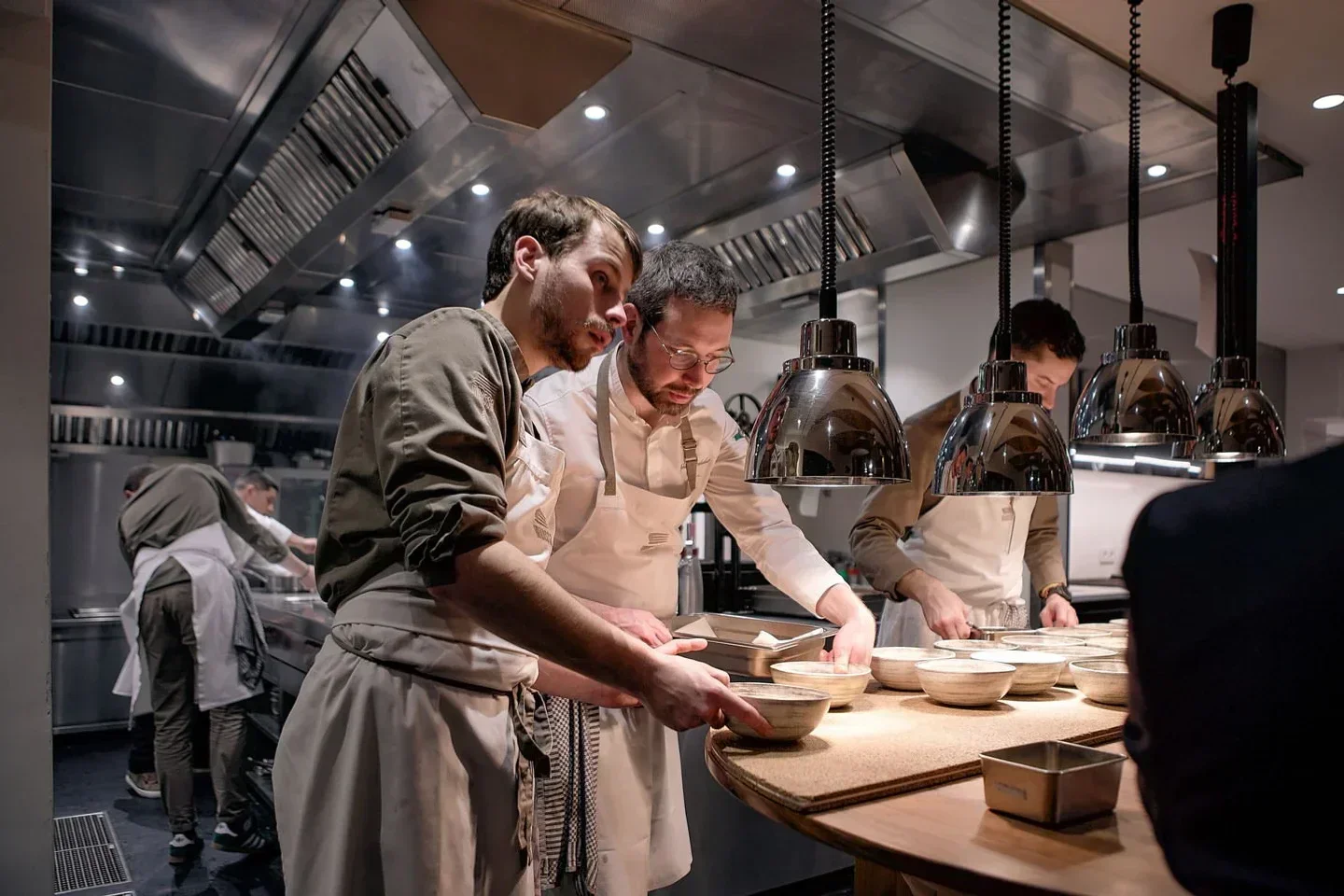
© Photo Credits: Menssa
10.Menssa
What is it? Menssa operates as a focused culinary destination in Brussels. The layout directs all attention toward the kitchen’s steady movements. You notice the lack of clutter the moment you step inside.
Why we love it: The staff moves with a practiced choreography, ensuring the meal flows without interruption. This precision allows the room to maintain a calm, steady energy throughout the night. It is a space where the clock seems to stop.
Good to Know: The wine pairings at Menssa highlight rare Belgian bottles that rarely appear on standard international lists.