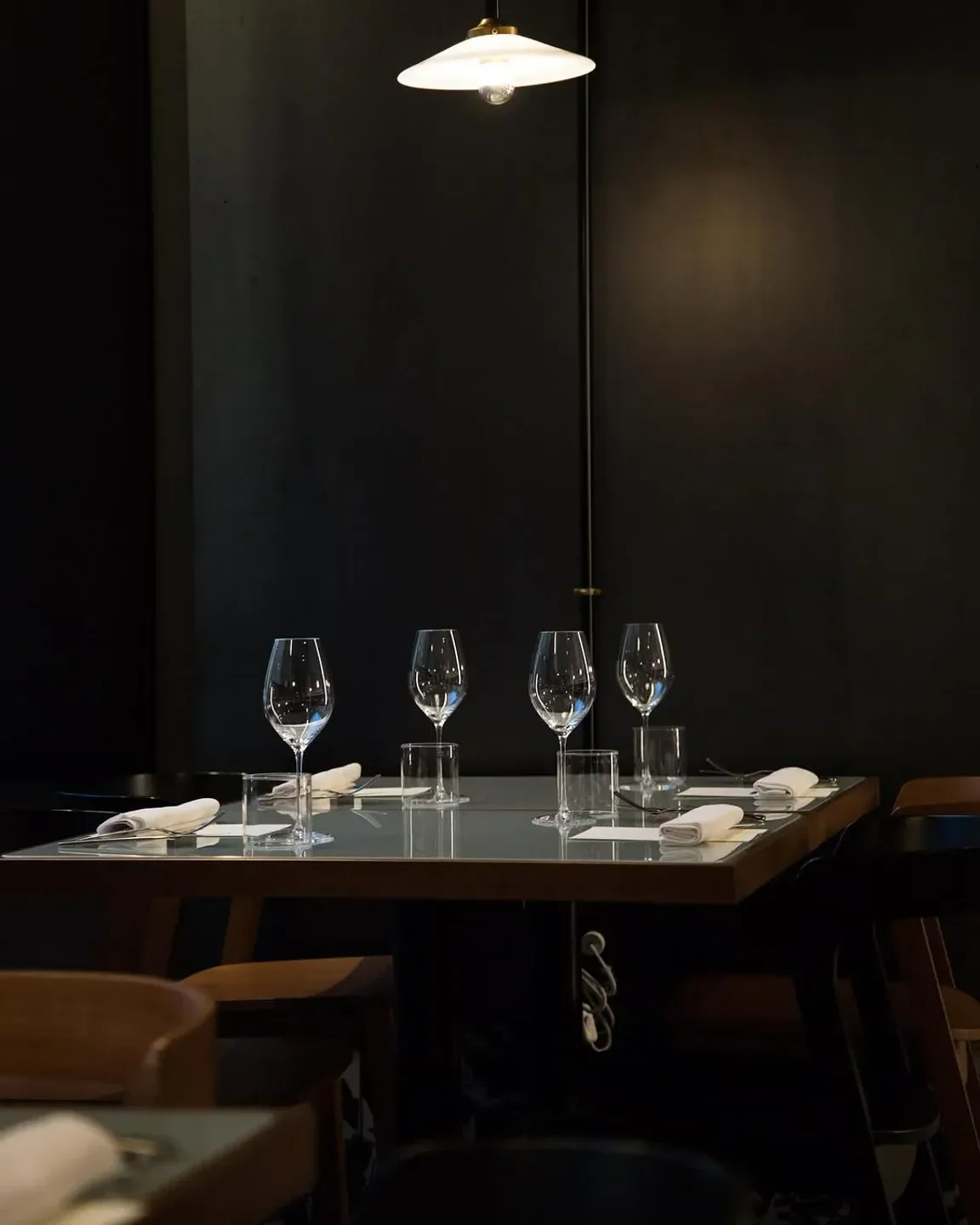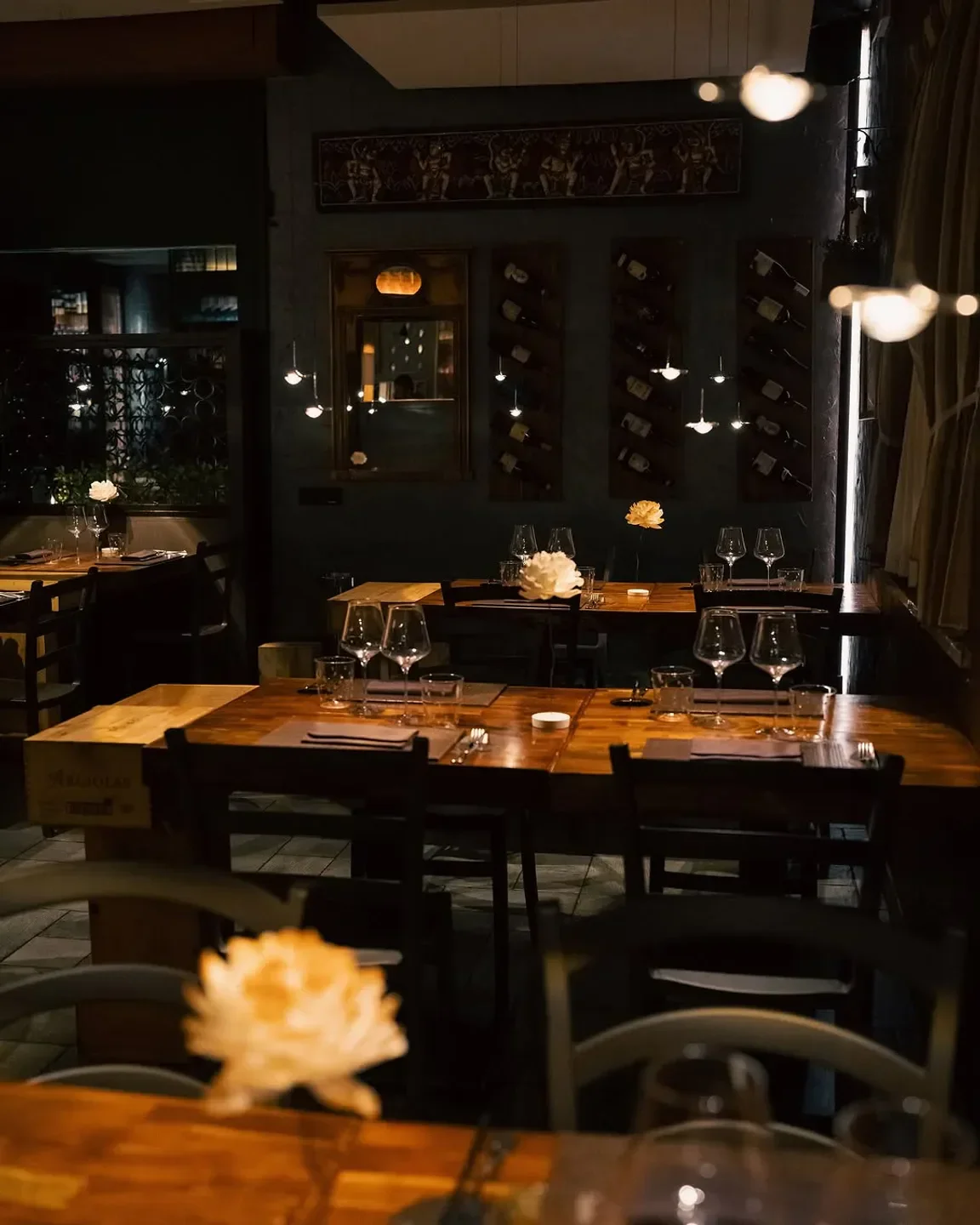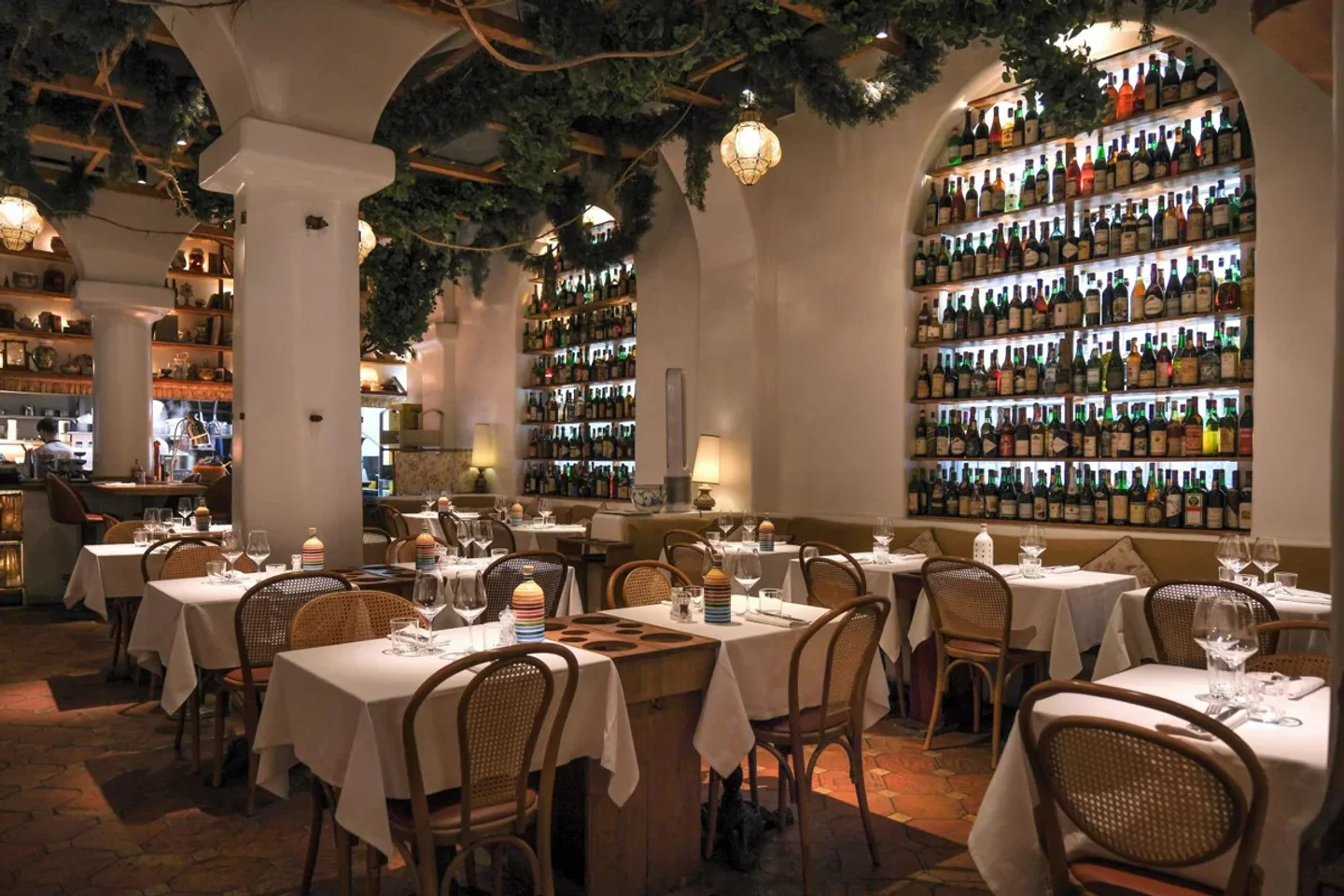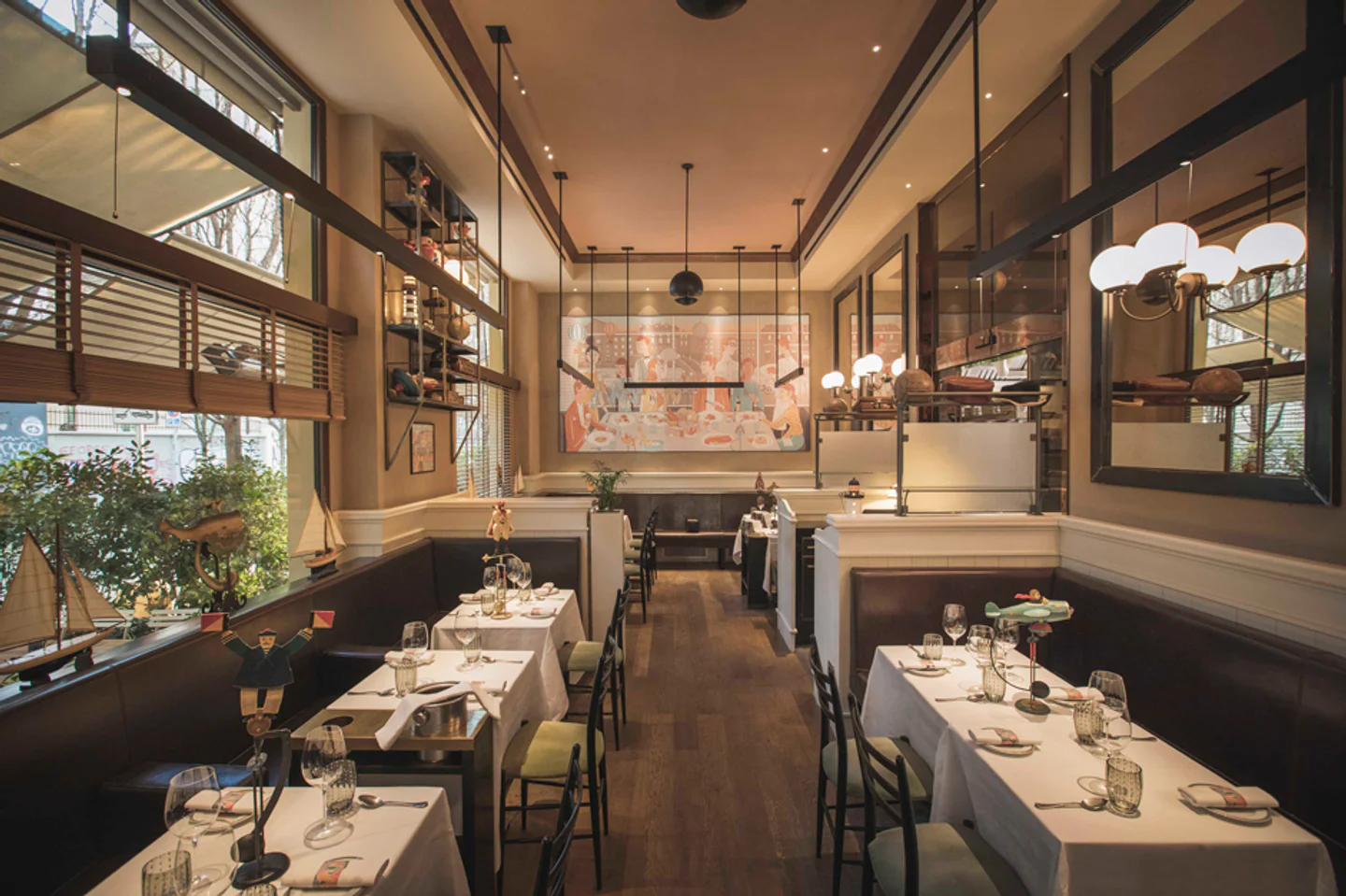
Milan rewards the precise. Forget the lazy trattoria tropes of the south; this city demands a calendar and a high-functioning GPS. Diners here trade the "dolce far niente" for a sharp, modern hunger. You won’t find many walk-ins at 8:30 PM. The best tables belong to those who planned weeks ago.
The culinary landscape is shifting toward the experimental. Enrico Bartolini al Mudec anchors the scene with intellectual, museum-grade plates. Nearby, the Iyo empire proves Milan's obsession with Japanese precision. IYO broke the mold with Michelin-starred fusion. Now, Iyo Kaiseki narrows that focus to an intimate, ritualistic counter experience. At Contraste, Matias Perdomo abandons the printed menu entirely to surprise guests with personalized courses.
The city’s identity is no longer just about saffron risotto and veal. It is about technical mastery and bold risks. Start with these four essentials.
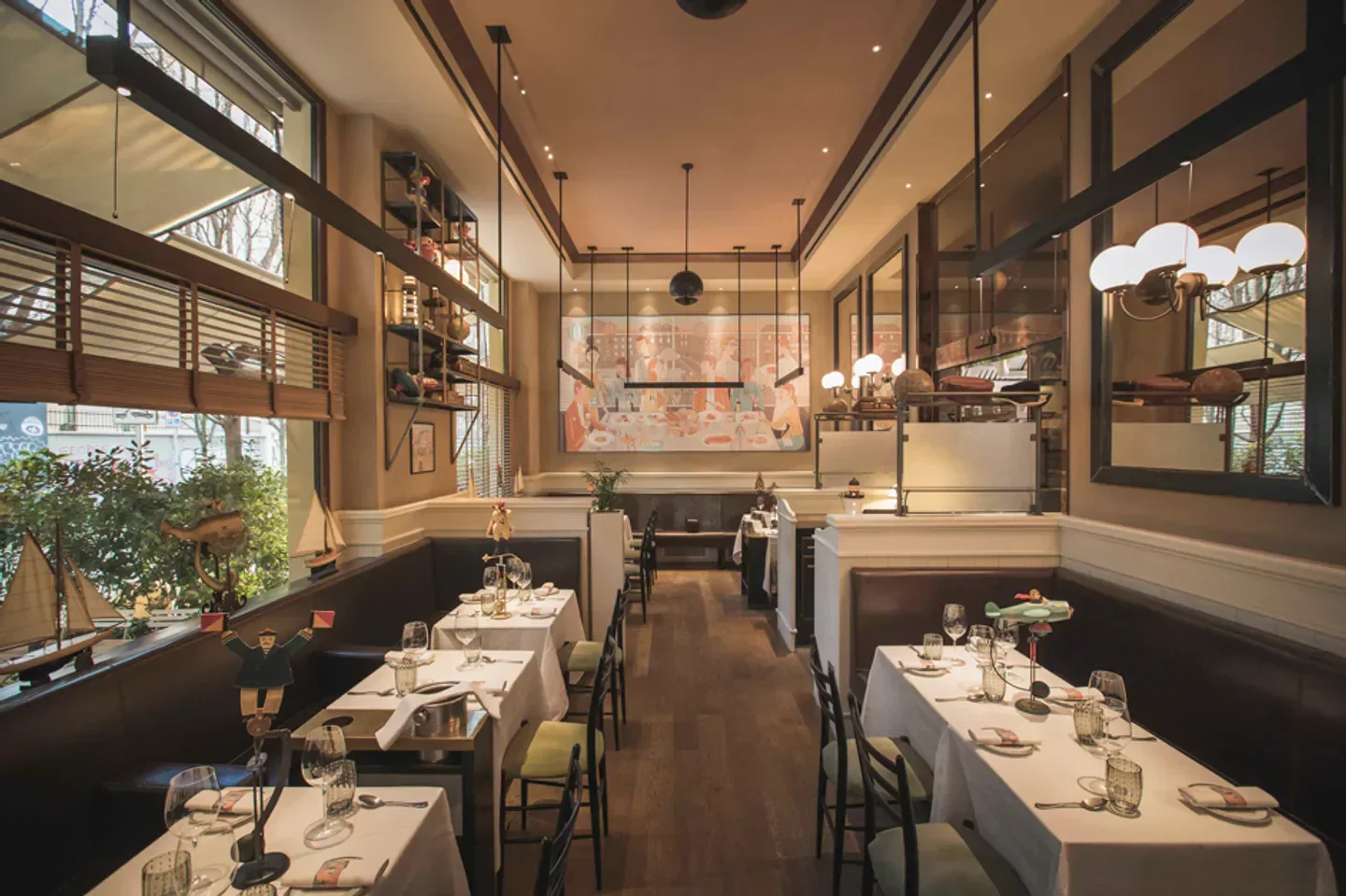
© Photo Credits: Langosteria
01.Langosteria
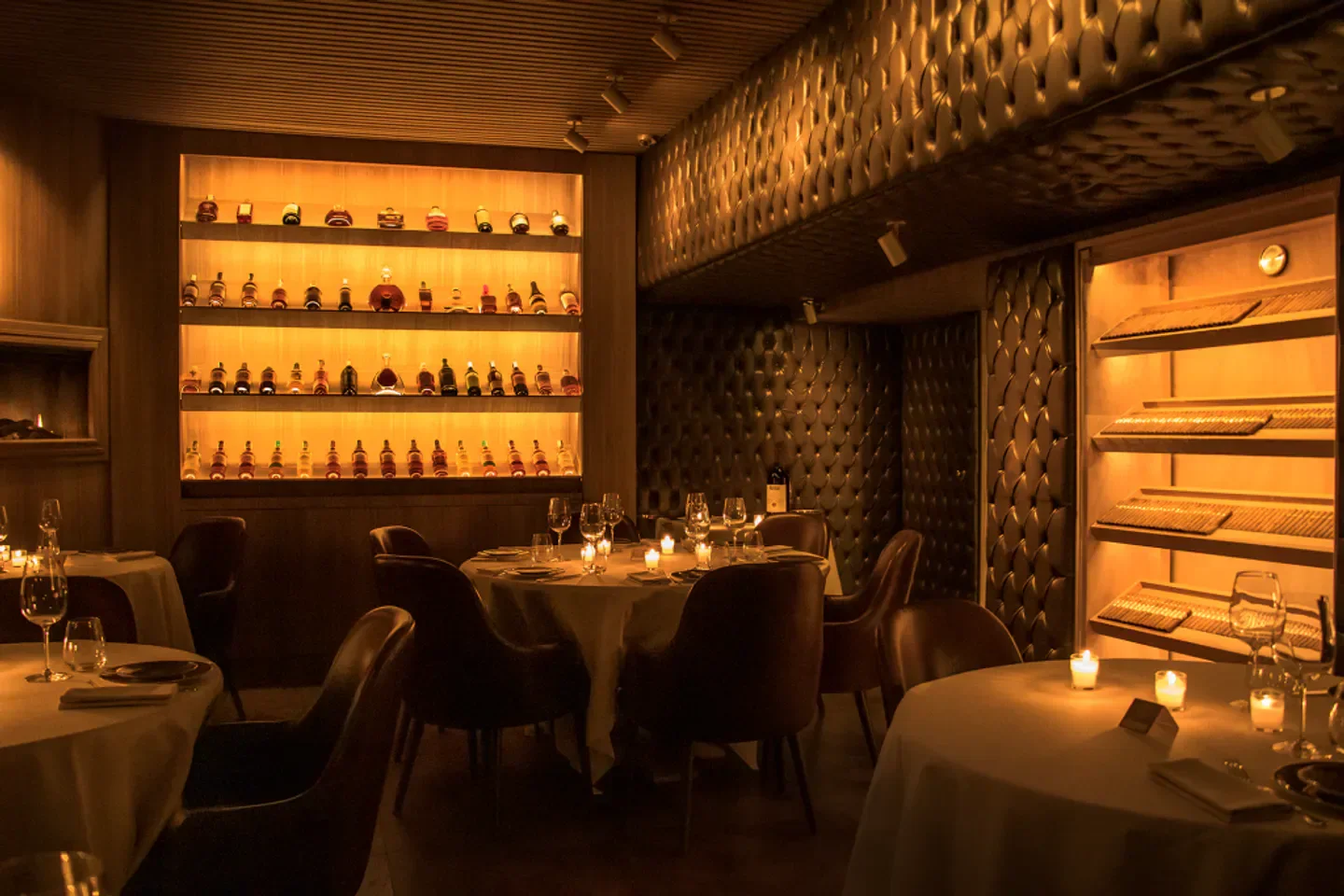
What is it? Langosteria anchors Milan’s dining scene with a high-energy pulse that feels distinctly metropolitan. The room glows with low light and the sharp clink of glassware greets you at the door. It is a restaurant where a polished crowd converges in a space that feels both sophisticated and permanent.
Why we love it: The energy here is infectious. Servers move with precision through the room, matching the pace of the lively crowd. It captures a sense of effortless style, making every table feel like the most important seat in the house.
Good to Know: The langoustine carpaccio at Langosteria highlights the kitchen's technical restraint and serves as a definitive house signature.
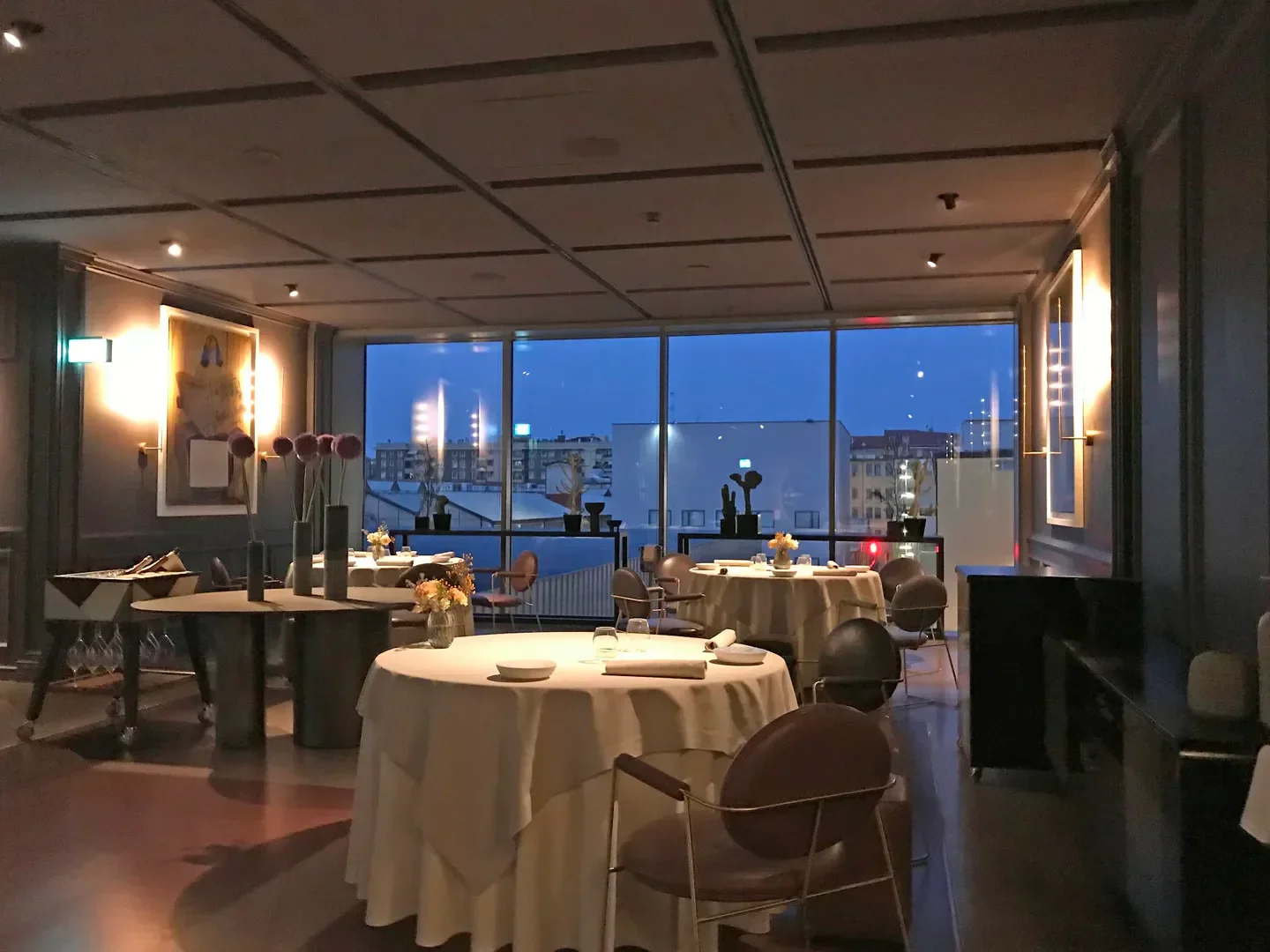
© Photo Credits: Enrico Bartolini al Mudec
02.Enrico Bartolini al Mudec
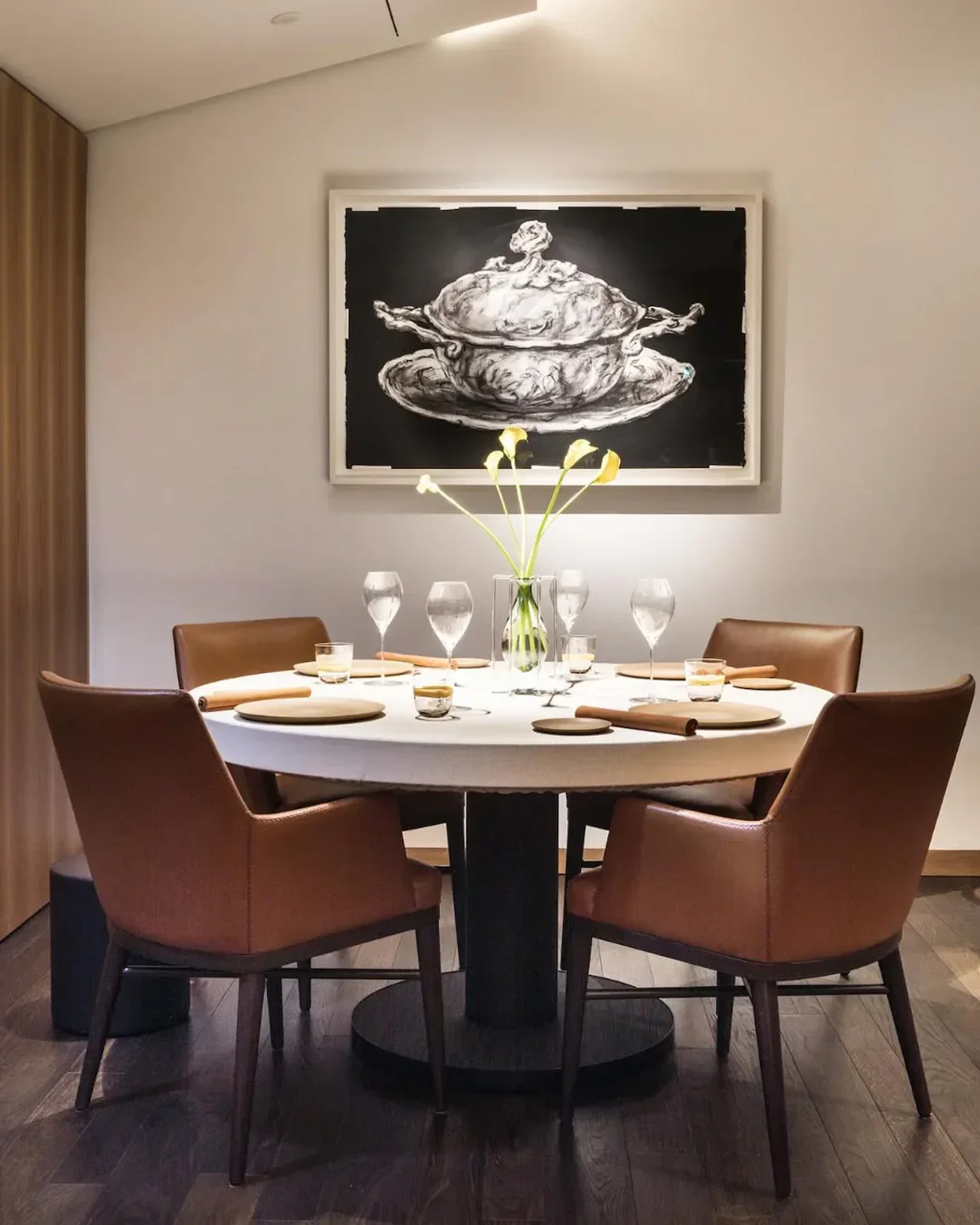
What is it? This restaurant sits inside Milan’s Museum of Cultures. The space feels like a natural extension of the gallery. Minimalist lines and intentional lighting set a tone of serious focus the moment you walk through the doors.
Why we love it: The room stays calm even when it fills with the city’s design elite. Service runs with clinical precision, prioritizing timing and flow over unnecessary ceremony. Every detail in the room works to keep your attention strictly on the table.
Good to Know: A full experience at Enrico Bartolini al Mudec unfolds with the deliberate pace of a museum tour, so block out at least three hours for your visit.
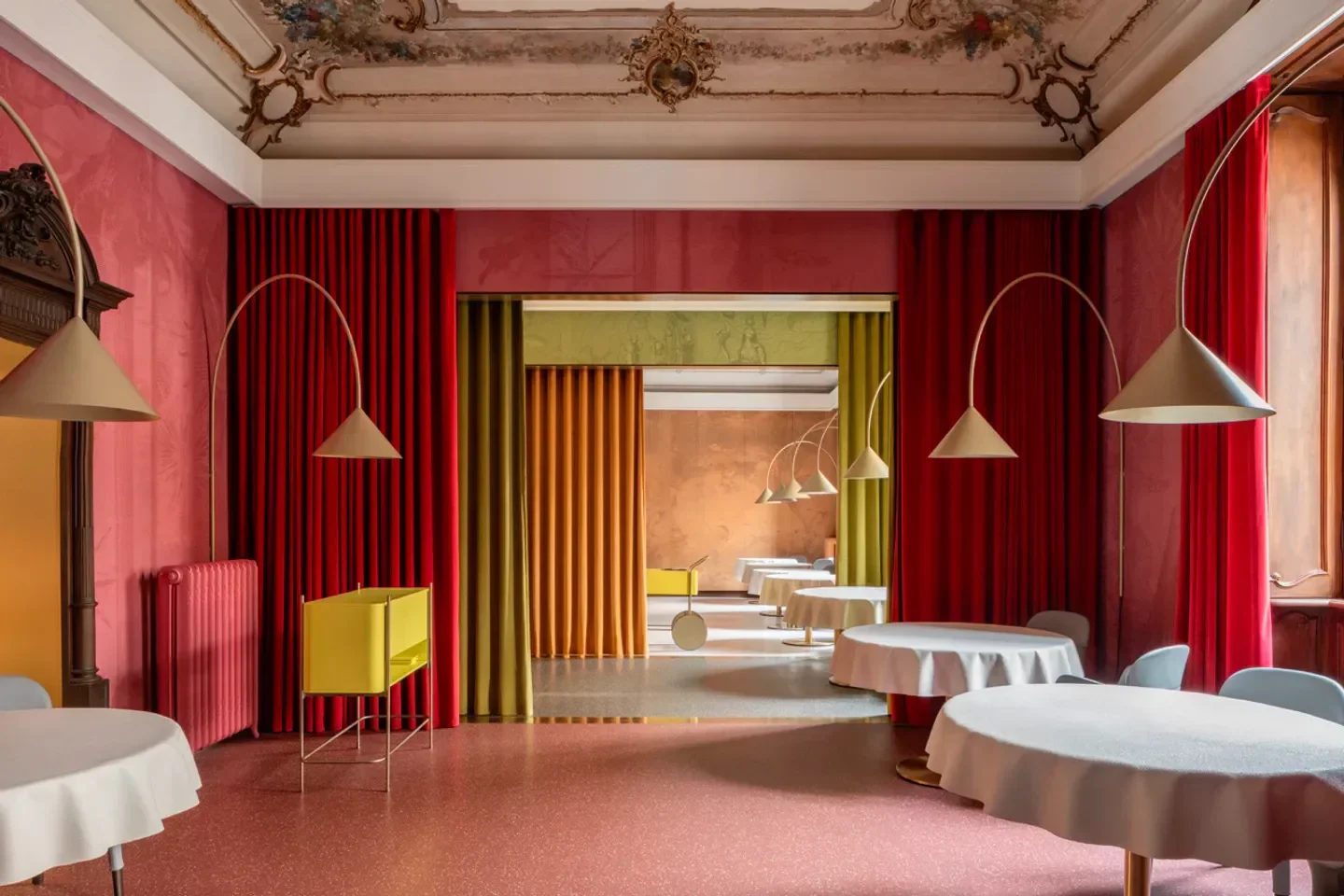
© Photo Credits: Contraste
03.Contraste
What is it? This Milan restaurant operates behind a discrete entrance, pulling guests away from the city's frantic pace into a stark, focused space. The room functions as a minimalist stage. Every element serves to highlight the inventive work coming out of the kitchen.
Why we love it: The kitchen breaks the traditional rules of dining. Chefs send out plates that play with your perception, forcing you to engage with every bite through a sharp, synchronized performance. The staff tracks your pace with precision, ensuring the flow of the meal never falters.
Good to Know: Contraste abandons the traditional menu format in favor of a custom-built experience, so treat your first conversation with the waiter as the most important part of the night.
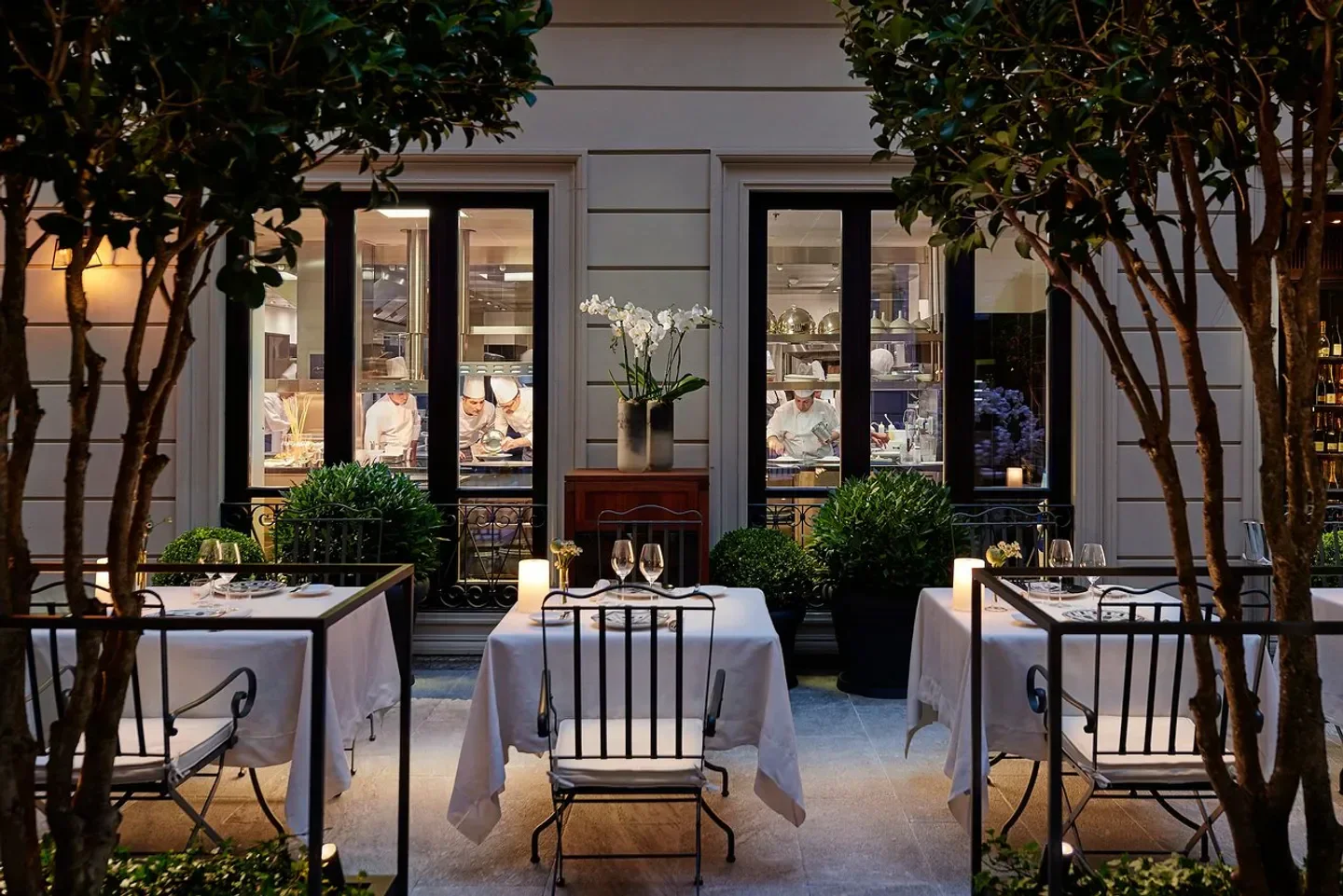
© Photo Credits: Seta
04.Seta
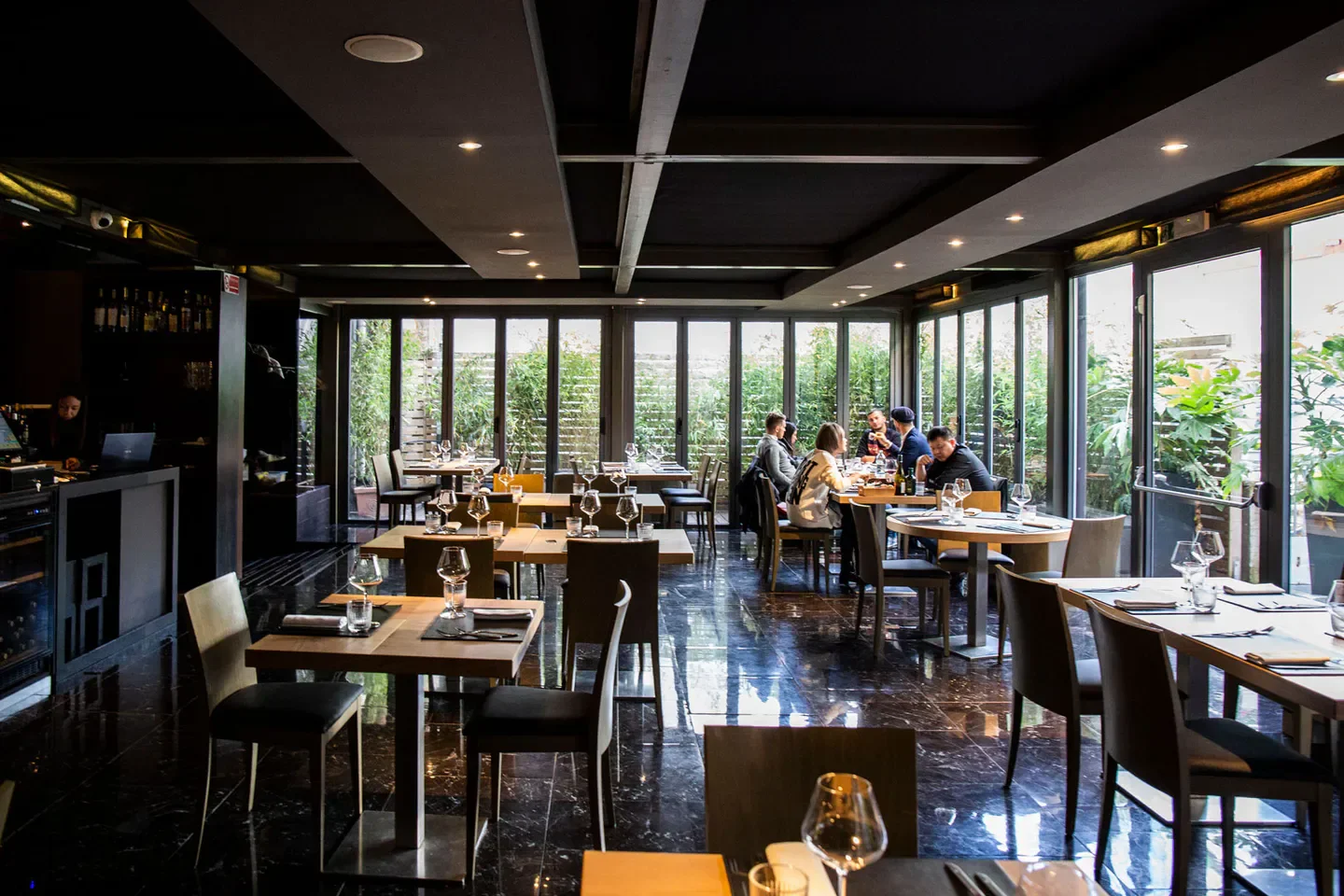
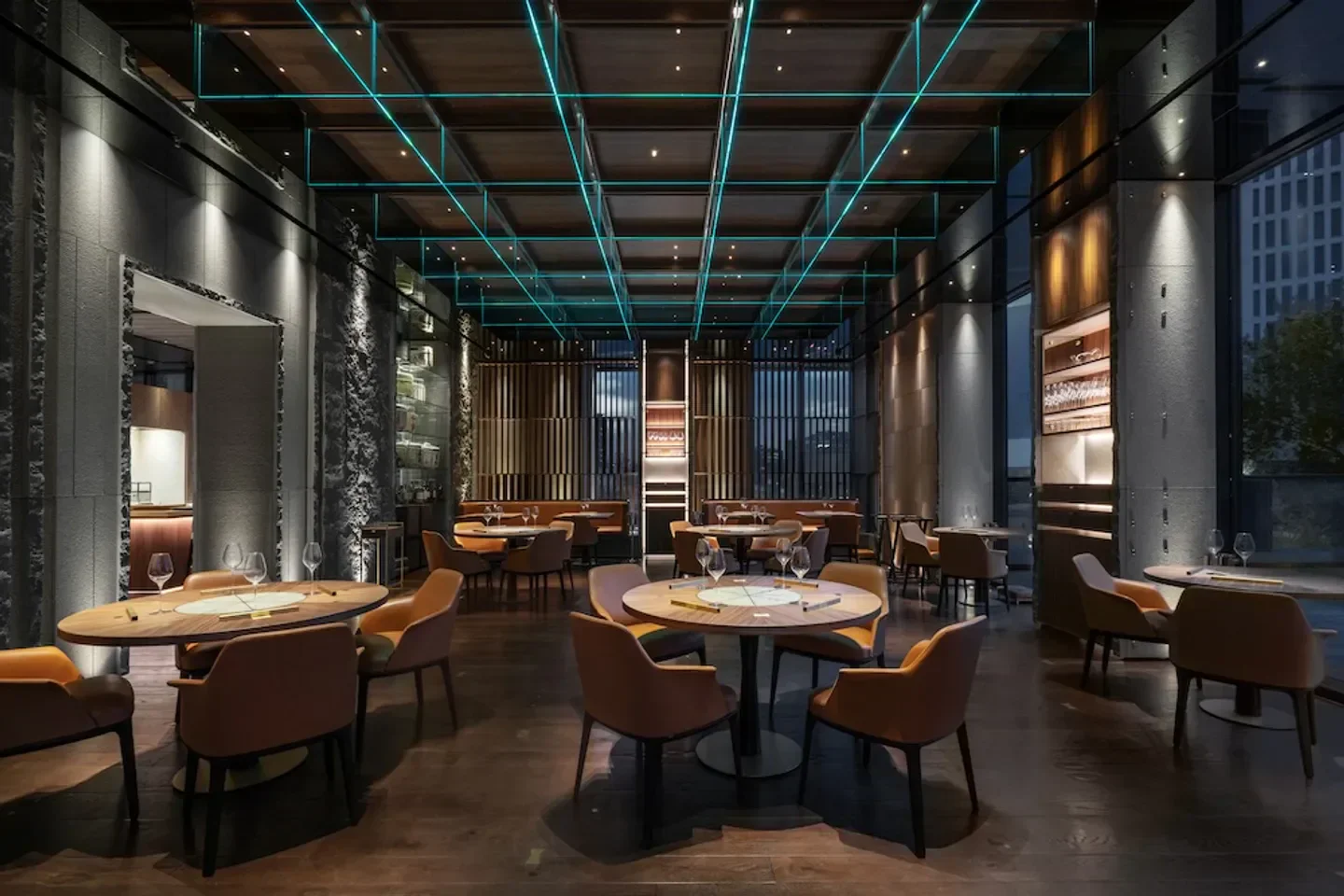
What is it? Seta is a refined restaurant in the heart of Milan defined by modern discipline. You walk into a space where sharp architecture meets a calm, focused atmosphere. The room is anchored by a massive open kitchen where the culinary team works with surgical precision behind glass partitions.
Why we love it: The energy here revolves around the outdoor seating in the central courtyard, which pulls soft light into the tailored dining room. We love watching the kitchen staff execute the tasting menu with athletic speed and quiet choreography. The experience feels entirely intentional, from the expansive wine list to the effortless pace of the fine dining service.
Good to Know: Seta's courtyard tables offer the most sought-after atmosphere for experiencing the outdoor seating during the warm Milanese summer.
© Photo Credits: Iyo Kaiseki
05.Iyo Kaiseki
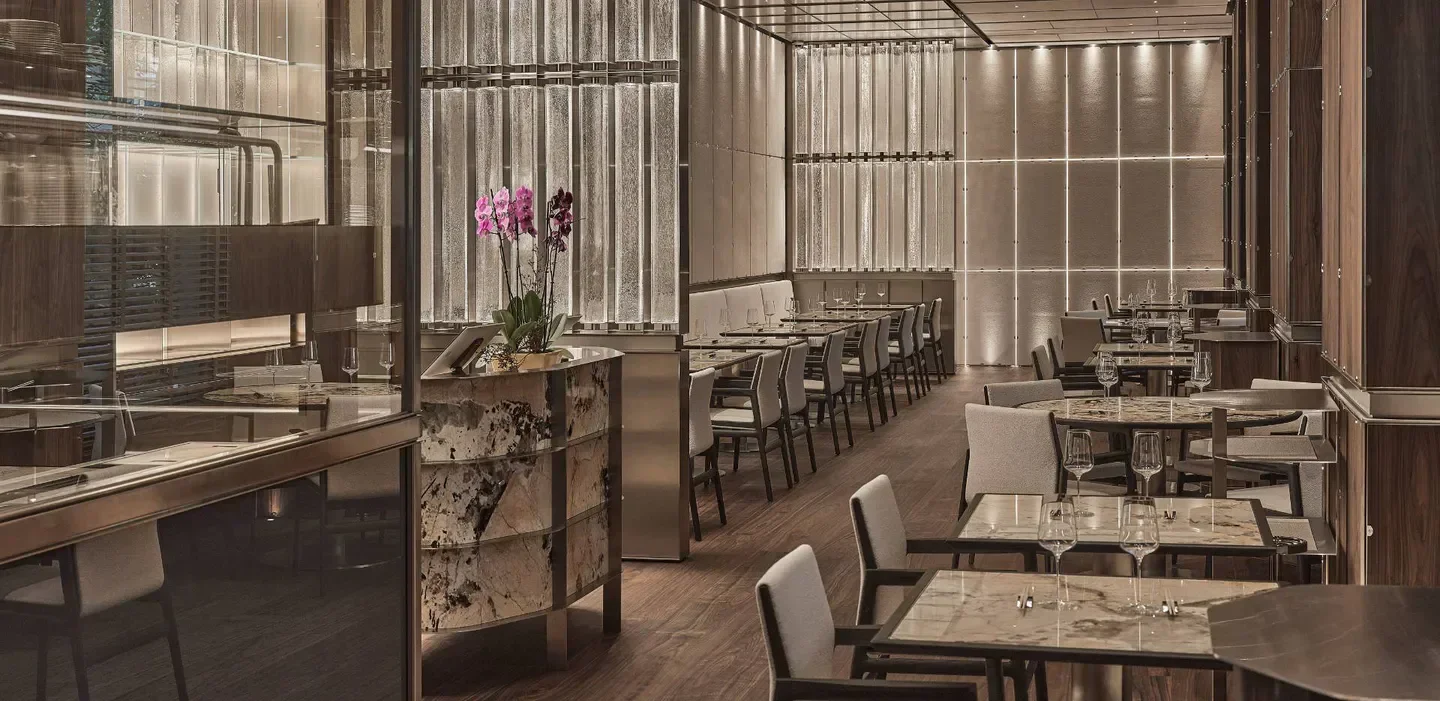
What is it? Iyo Kaiseki brings the disciplined tradition of the Japanese multi-course meal to Milan. The atmosphere is hushed and intentional. You leave the city’s frantic energy at the door and step into a space built for focus.
Why we love it: The experience relies on a steady, rhythmic progression of courses. The kitchen team works with a level of precision that feels like a quiet performance. It is a rare spot where the meal dictates your mood, shifting you from a hurried diner into a patient observer.
Good to Know: The multi-course structure at Iyo Kaiseki takes time to unfold, so clear your evening to let the kitchen set the tempo.
© Photo Credits: IYO
06.IYO
What is it? IYO anchors a corner of Milan with a sharp, contemporary edge. The room feels purposeful and polished. It is a place where high-concept design meets the city’s fast-paced culinary ambition.
Why we love it: The kitchen team plates every dish with a visible, clinical precision. Service moves with a quiet, clockwork rhythm that keeps the evening fluid. You watch the staff navigate the floor with a focus that makes the entire experience feel seamless.
Good to Know: The omakase at IYO often pairs rare Mediterranean seafood with aged soy sauces, so pay attention to how the house-made seasonings change with each course.
© Photo Credits: 28 Posti
07.28 Posti
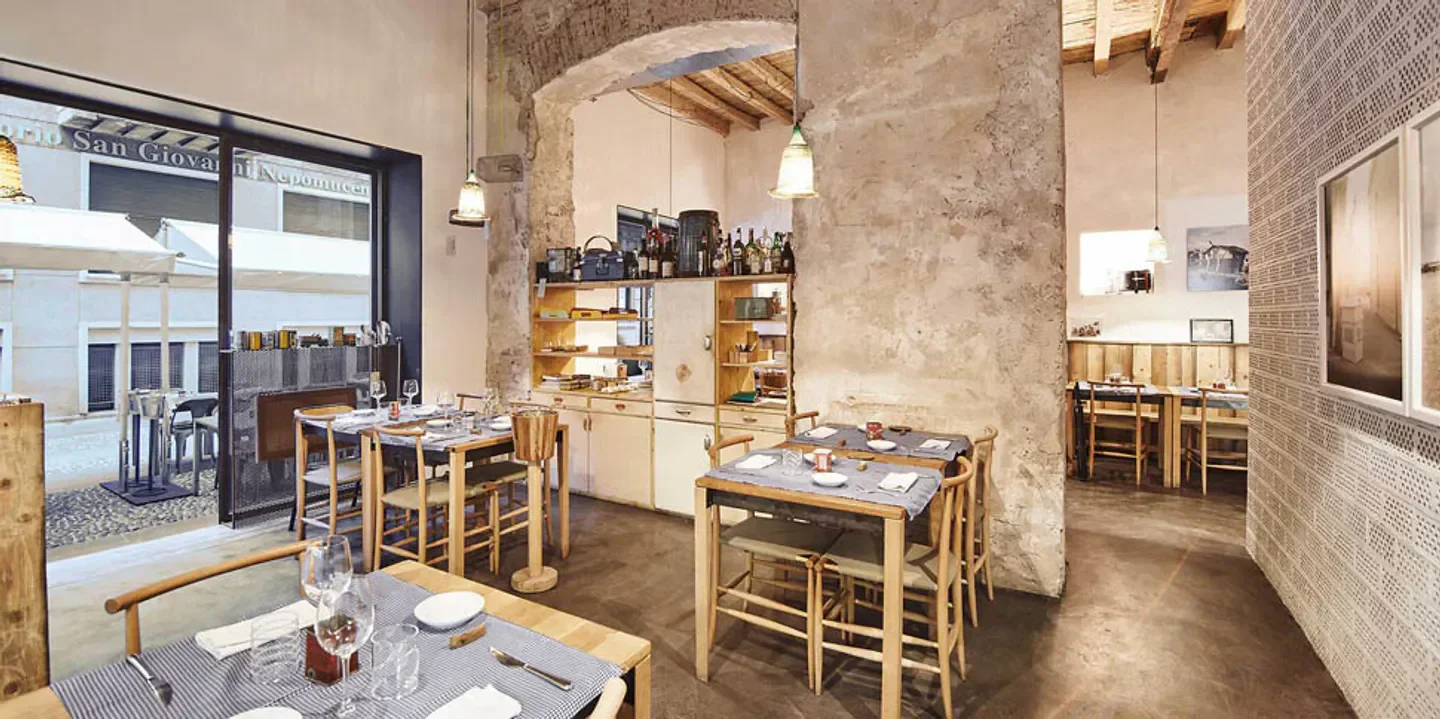
What is it? 28 Posti occupies a focused corner of Milan, where the name dictates the capacity. Only twenty-eight chairs fill the space, creating an environment that feels both exclusive and remarkably grounded. The room prioritizes a minimalist aesthetic, highlighting a clear commitment to sustainable design and social responsibility.
Why we love it: The open kitchen serves as the heart of the restaurant. You watch the culinary team move with quiet efficiency as they prepare plates with meticulous care. It is a rare spot where environmental ethics are as tangible as the atmosphere, resulting in a dining experience that feels purposeful, calm, and deeply intimate.
Good to Know: The social impact project at 28 Posti extends to the decor, as much of the furniture was handcrafted by inmates at the Bollate prison.
© Photo Credits: Wicky's Innovative Japanese Cuisine
08.Wicky's Innovative Japanese Cuisine
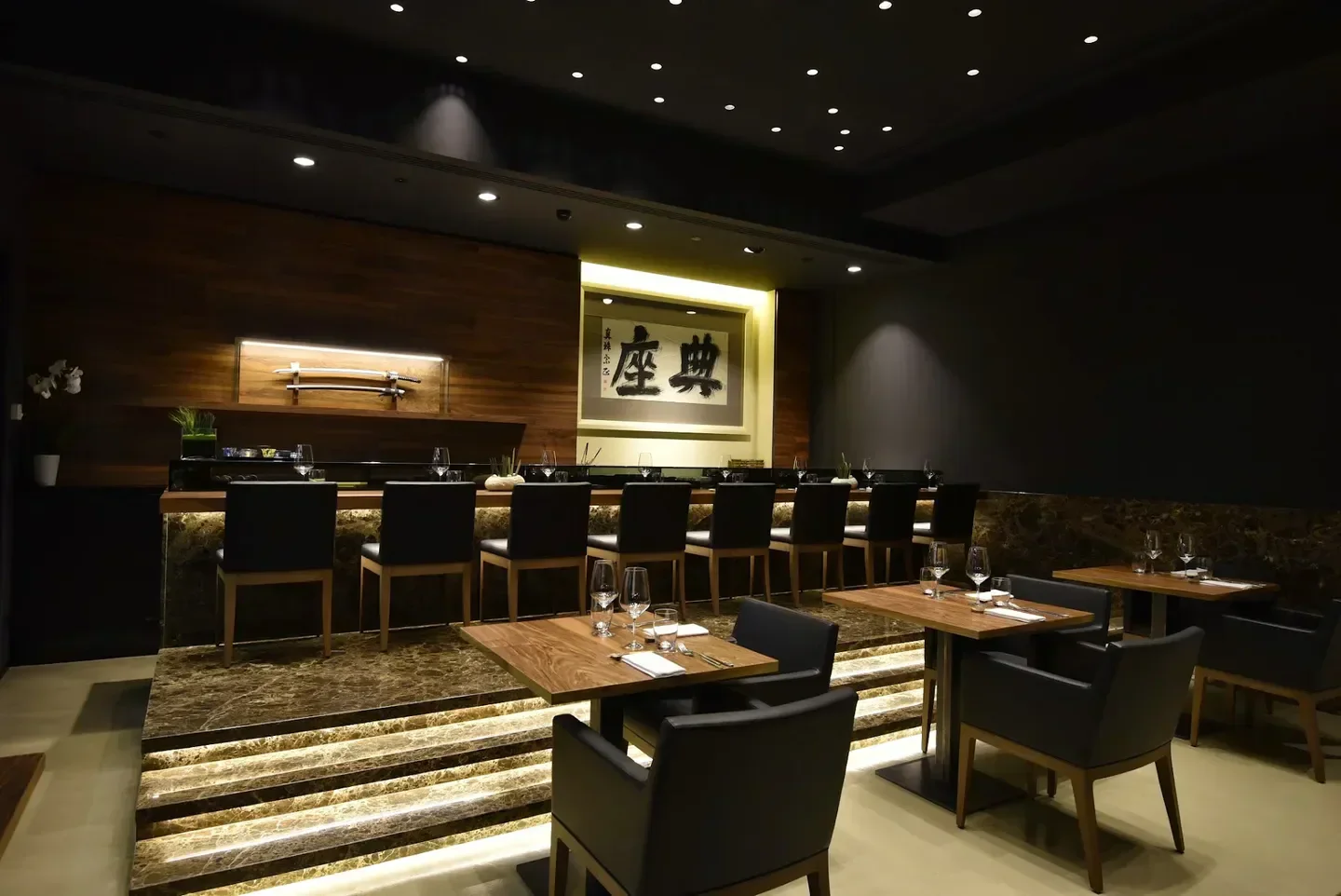
What is it? Wicky’s Innovative Japanese Cuisine brings a sharp, disciplined edge to the Milanese dining landscape. The space feels intentional. You enter a room where the focused energy of the kitchen sets a steady, technical pace for the evening.
Why we love it: The experience centers on a rigorous "innovative" philosophy. Chefs move with a quiet, practiced intensity that turns service into a performance. It captures the intersection of Japan’s meticulous craft and Milan’s high-design atmosphere without leaning on tired cliches.
Good to Know: The "innovative" focus at Wicky's Innovative Japanese Cuisine means the kitchen often reimagines traditional Japanese structures through a modern lens, offering a distinct alternative to Milan’s more conventional seafood spots.
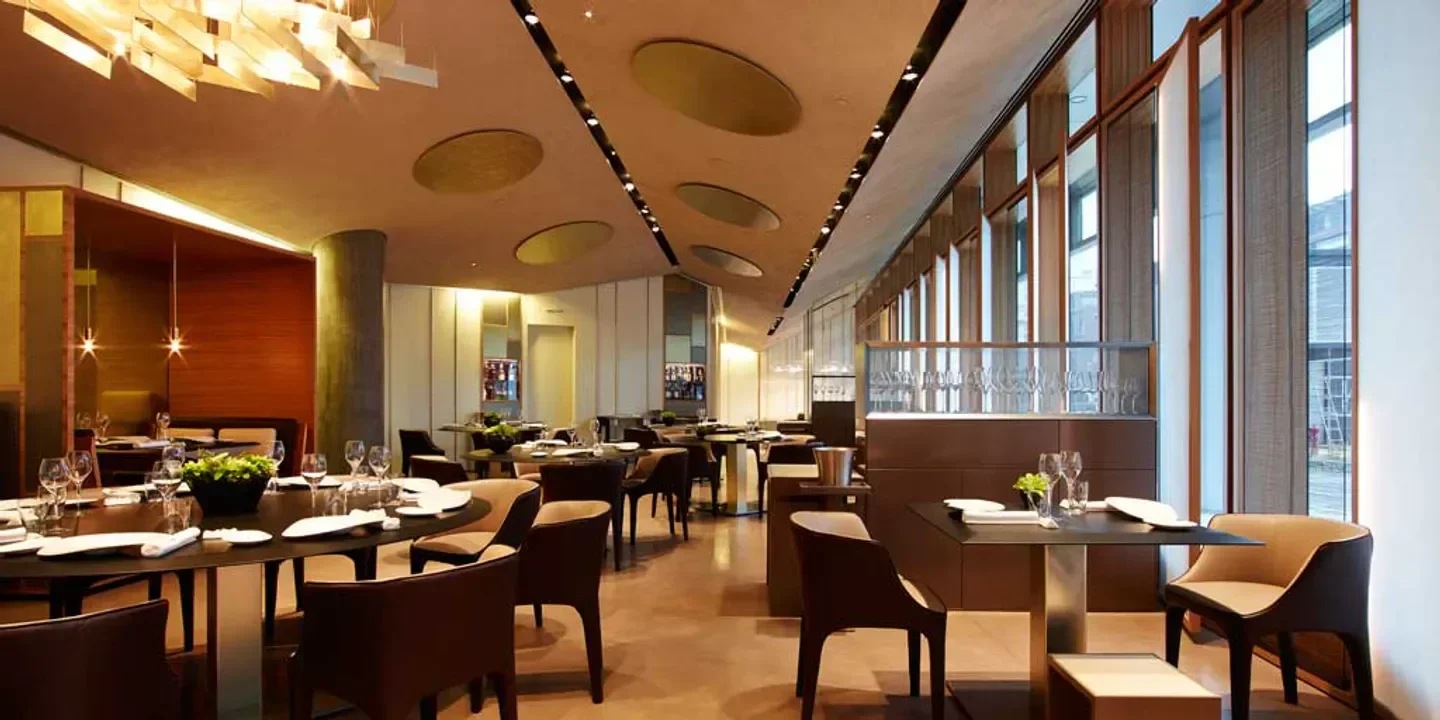
© Photo Credits: Ristorante Berton
09.Ristorante Berton
What is it? Ristorante Berton anchors the glass-and-steel landscape of modern Milan. The space feels vast and architectural, signaling a clear departure from the city’s traditional, low-lit trattorias. You enter a room where clean lines and sharp design set the stage for a highly technical dining experience.
Why we love it: The energy flows from the open kitchen, where the staff moves with silent, military precision. Every element in the room directs your attention to the craftsmanship on the plate rather than fussy decor. It’s a sophisticated environment that mirrors the forward-thinking spirit of the surrounding Porta Nuova district.
Good to Know: The open kitchen at Ristorante Berton allows you to track the exact moment your dish leaves the pass, highlighting the mechanical precision of the kitchen staff.
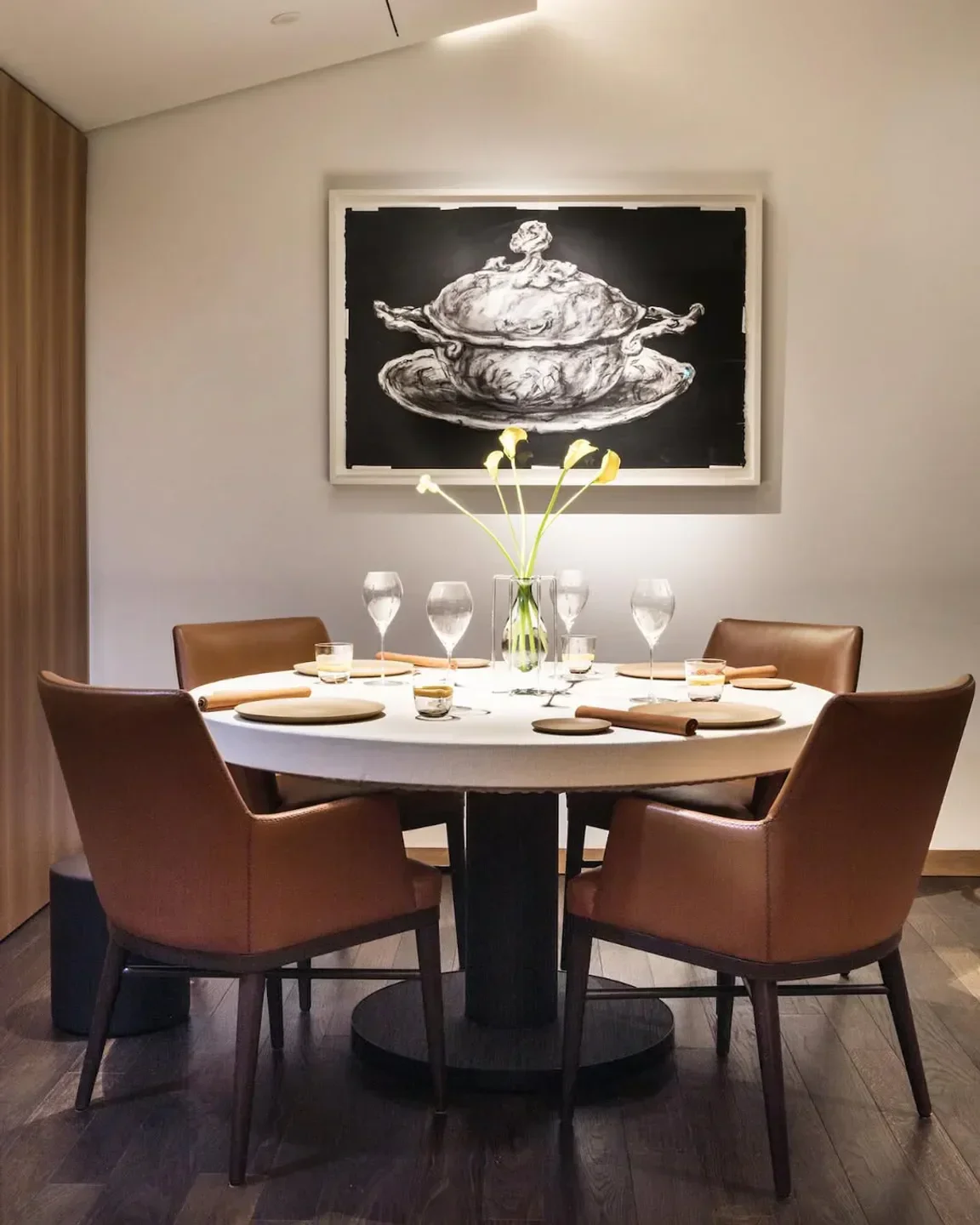
© Photo Credits: Andrea Aprea
10.Andrea Aprea
What is it? Andrea Aprea sits at the intersection of tradition and modern ambition in the heart of Milan. You step into a world of pure fine dining, where the atmosphere feels both composed and intensely creative. It is a space designed for those who seek the peak of contemporary Italian craftsmanship.
Why we love it: The kitchen treats Italian cuisine as a canvas for creative exploration. Every plate displays the precision expected of a Michelin Star establishment. You feel the weight of luxury in the service, where every movement remains deliberate and focused.
Good to Know: The kitchen at Andrea Aprea rotates its contemporary menu frequently, so expect the tasting flight to shift based on the season’s most inventive produce.